Serving Edmonton for over 120 years

Cone worm

Identification

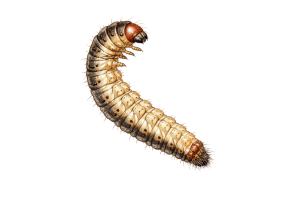
Size: Larvae up to 20–25 mm long
Color: Light brown to grey with darker head
Description: Cone worms are caterpillars that feed on the cones of conifer trees, particularly pine and spruce. They can damage seeds and affect the health and appearance of trees.

Cone worms are the larval stage of certain moth species that target conifer trees. They are most commonly found in pine and spruce cones, where they tunnel inside and feed on developing seeds. This feeding activity can reduce seed viability and impact tree reproduction.

These pests are typically active during the growing season, especially in late spring and summer when cones are forming. Infestations are often noticed when cones show signs of damage or premature drop. While cone worms mainly affect trees outdoors, their presence can be a concern in landscaped areas, nurseries, and forestry settings.

Although they do not pose a direct risk to human health, their impact on trees can be significant if populations are high. Managing infestations early is important to protect tree health and prevent long-term damage.

Cone worms are usually identified by the damage they cause to conifer cones. Affected cones may appear deformed, hollowed out, or may fall prematurely from the tree.

Look for signs of boring activity and the presence of larvae within cones or around the base of trees.

  • Damaged or hollowed-out cones
  • Premature cone drop
  • Small entry holes in cones
  • Presence of larvae inside cones
  • Frass (fine sawdust-like material) near affected areas

Cone worms are typically found in outdoor environments where conifer trees are present. They live and feed inside cones on trees such as pine and spruce.

They may also be found in fallen cones on the ground or in areas with high concentrations of conifer trees, including gardens, parks, and managed landscapes.

Regular inspection of conifer trees can help detect cone worm activity early. Removing and disposing of infested cones can reduce the spread and limit population growth.

Maintaining tree health through proper watering and care can make trees less susceptible to damage. Keeping the area around trees clear of fallen cones and debris can also help reduce breeding sites.

For larger infestations or ongoing issues, professional pest control services can provide targeted treatments and management solutions.

BIRCH FUMIGATORS

est. 1900

Don't Let Bugs Get the Best of You

BIRCH FUMIGATORS

est. 1900

Don't Let Bugs Get the Best of You