Serving Edmonton for over 120 years

Bark beetles

Identification

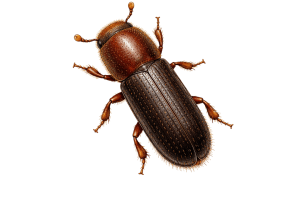
Size: 2–6 mm long
Color: Brown to black
Description: Bark beetles are small insects that bore into and live beneath the bark of trees. They can cause significant damage by disrupting the tree’s ability to transport water and nutrients.

Bark beetles are wood-boring insects that infest a variety of trees, particularly conifers such as pine and spruce. They tunnel beneath the bark, creating galleries where they lay eggs and feed. This activity disrupts the flow of nutrients within the tree, often leading to decline or death if infestations are severe.

These pests are most active during warmer months, especially in spring and summer when adult beetles emerge and seek new host trees. Infestations often spread quickly, particularly in stressed or weakened trees, making early detection critical.

While bark beetles do not pose a direct threat to human health, their impact on trees can be extensive. Large infestations can affect landscapes, commercial forestry, and garden environments, leading to tree loss and costly removal.

Bark beetle activity is often identified by visible damage to tree bark and signs of internal tunnelling. Affected trees may show rapid decline, including discolouration of needles or leaves.

Look for small holes in the bark and evidence of boring activity around the base of trees.

  • Small, round exit holes in tree bark
  • Sawdust-like material (frass) around the base or in bark crevices
  • Yellowing or browning of leaves or needles
  • Peeling or damaged bark
  • Presence of tunnels beneath the bark

Bark beetles are found in wooded areas, forests, and gardens where suitable host trees are present. They live and reproduce beneath the bark of trees, making them difficult to detect until damage becomes visible.

They are commonly found in stressed, damaged, or recently felled trees, but can also infest healthy trees during large outbreaks.

Keeping trees healthy is the most effective way to reduce the risk of bark beetle infestations. Proper watering, pruning, and maintenance can help trees resist attack.

Remove and dispose of infested or dead trees promptly to prevent beetles from spreading. Avoid leaving cut wood or debris near healthy trees, as this can attract beetles.

For ongoing or widespread infestations, professional pest control services can provide monitoring and targeted treatment to protect your trees and property.

BIRCH FUMIGATORS

est. 1900

Don't Let Bugs Get the Best of You

BIRCH FUMIGATORS

est. 1900

Don't Let Bugs Get the Best of You