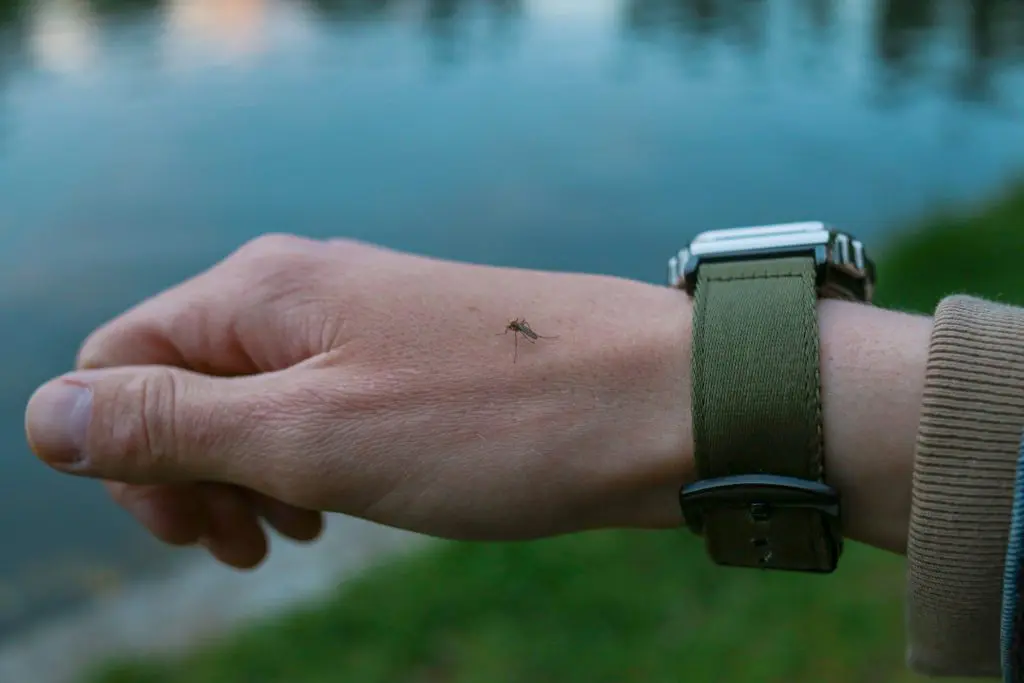
Camping is one of the best ways to enjoy the outdoors in Alberta, but the 2026 camping season has come with a few extra challenges. Edmonton has experienced one of its wettest years on record, with persistent rainfall, localized flooding, and standing water creating ideal breeding conditions for mosquitoes across the region.
The unusually wet weather has also affected parks and campgrounds. In early August 2026, flooding forced the temporary closure of Elk Island National Park, with only Bison Loop Road reopening while crews continued cleanup and removed hazardous trees. Before heading out on your next camping trip, it’s a good idea to check Parks Canada or your campground’s website for the latest updates on closures, road conditions, and weather advisories.
Once you’ve confirmed your destination is open, a little preparation can go a long way toward keeping mosquitoes from ruining your weekend.
Prepare Before You Leave Home
Before loading up the vehicle, take a few minutes to make sure you’re prepared.
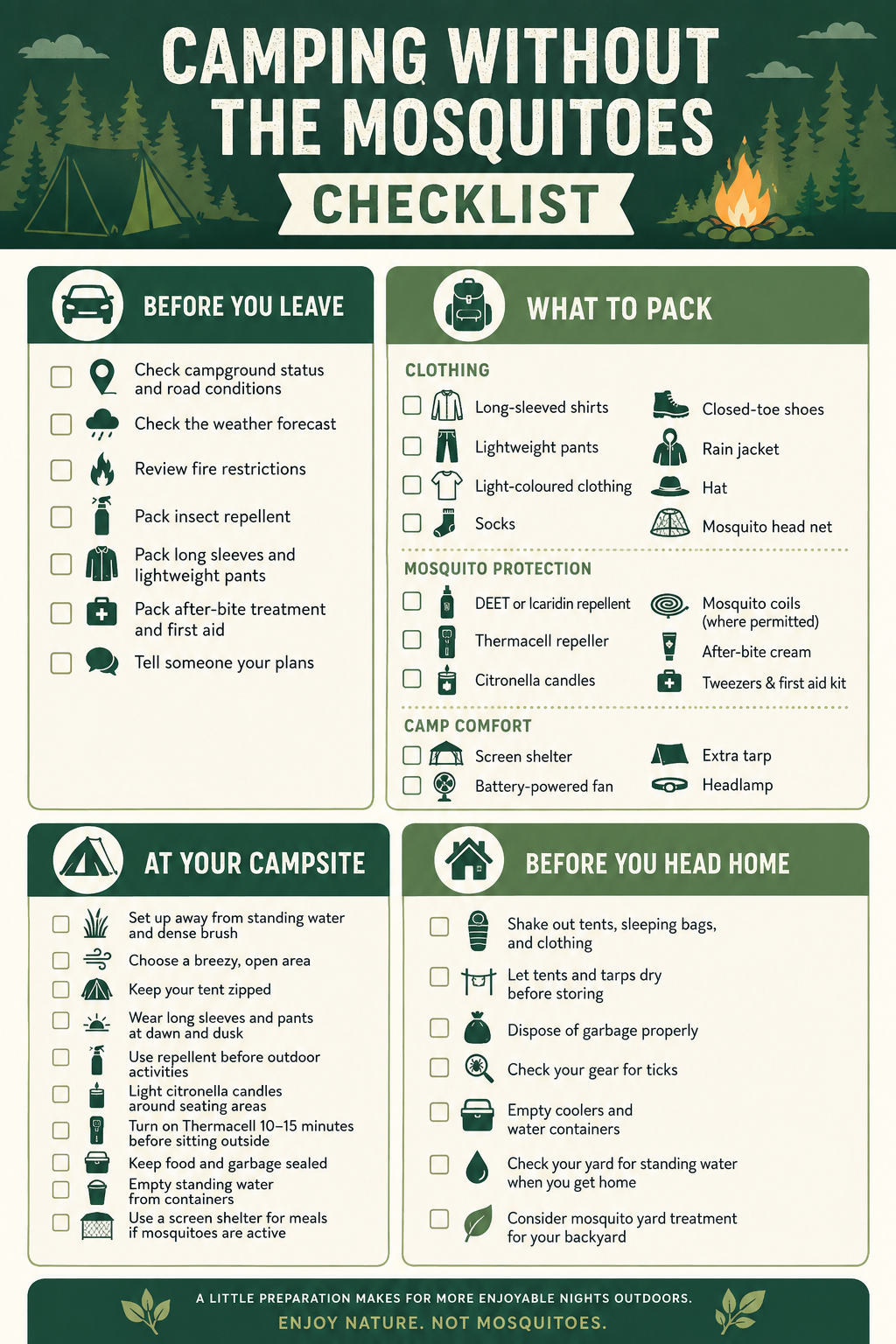
Camping checklist:
- Check that your campground or park is open before leaving home.
- Review the latest weather forecast.
- Pack a reliable insect repellent containing DEET or Icaridin.
- Bring lightweight long-sleeved shirts and long pants.
- Pack an after-bite treatment or anti-itch cream.
- Include rain gear and waterproof footwear if wet conditions are expected.
- Bring extra tarps to help keep your campsite dry.
A few extra minutes of planning can save you from unexpected surprises once you arrive.
Choose Your Campsite Carefully
Where you set up camp can make a noticeable difference in how many mosquitoes you’ll encounter.
When choosing a campsite, look for open areas with a steady breeze whenever possible. Mosquitoes are weak flyers and tend to avoid windy locations. Try to avoid camping beside marshes, ponds, flooded ditches, or other areas with standing water, as these are prime mosquito breeding sites. If your campground offers several available sites, choosing one away from dense brush and tall vegetation can also help reduce mosquito activity.
Pack the Right Mosquito Protection for Camping
Having the right gear can make evenings around the campsite much more comfortable.
Consider packing:
- Insect repellent with DEET or Icaridin
- A Thermacell mosquito repeller
- Citronella candles
- Mosquito coils if permitted by campground rules
- A screened shelter for dining or relaxing
- A battery-powered fan if you’re camping in an RV or at a powered campsite
- A mosquito head net for heavily wooded or wet areas
Using several methods together is usually more effective than relying on a single product.
Do Campfires Keep Mosquitoes Away?
Many campers believe campfire smoke completely solves mosquito problems, but the truth is a little more complicated.
Smoke can discourage mosquitoes from flying through an area, particularly when you’re sitting close to the fire. However, it won’t eliminate mosquitoes around your campsite, and once you step away from the fire, you’ll likely notice them again.
It’s also important to remember that campfires aren’t always an option. During dry periods or changing conditions, fire bans may be in effect. Even in a wet year like 2026, local restrictions can change quickly, so don’t rely on a campfire as your only mosquito protection.
Dress to Reduce Mosquito Bites
The clothing you wear can make a big difference.
Choose light-coloured clothing whenever possible, as mosquitoes are generally more attracted to dark colours. Loose-fitting long sleeves and long pants create a physical barrier that makes it harder for mosquitoes to reach your skin. Closed-toe shoes and socks provide additional protection around your ankles, which are among the most common sites for bites.
It’s also worth avoiding heavily scented perfumes and lotions, as strong fragrances may attract mosquitoes and other insects.
Keep Mosquitoes Out of Your Tent
After a long day outdoors, the last thing you want is mosquitoes buzzing around inside your tent.
Keep your tent zipped whenever you’re not entering or leaving, and inspect the mesh for any tears before your trip. Try not to leave lights on inside the tent while the door is open, as insects are naturally attracted to light during the evening. Before bringing blankets, clothing, or sleeping bags inside, give them a quick shake to make sure no insects have hitched a ride.
Small Habits That Make a Big Difference
A few simple habits throughout the day can help reduce mosquito activity around your campsite.
- Empty any standing water that collects in buckets or containers.
- Keep coolers and garbage sealed.
- Spend more time under a screened shelter during peak mosquito activity.
- Wear repellent before heading out on hikes.
- Limit time outdoors around dawn and dusk when mosquitoes are most active.
- Keep tent doors closed, especially if children are running in and out.
These small steps can make your camping experience much more comfortable.
What to do About Mosquito Bites
Even with careful planning, a few mosquito bites are almost unavoidable.
Wash bites with soap and water, apply an anti-itch cream to reduce irritation, and avoid scratching to prevent infection. If someone experiences severe swelling, difficulty breathing, or signs of an allergic reaction, seek medical attention immediately.
Before You Head Home
Before packing up, shake out your camping gear and allow tents, tarps, and sleeping bags to dry completely before storing them. Damp equipment can develop mould and mildew after a rainy camping trip.
When you get home, take a few minutes to walk around your yard. Empty standing water from flower pots, buckets, bird baths, children’s toys, and any other containers where mosquitoes can breed. After a summer as wet as Alberta’s 2026 season, even small amounts of standing water can quickly become breeding sites.
If mosquitoes have taken over your backyard, professional mosquito yard treatments can help reduce mosquito populations and make your outdoor spaces enjoyable again. Whether you’re hosting a barbecue, relaxing on the deck, or simply letting the kids play outside, keeping mosquitoes at bay at home means you can enjoy the rest of the summer without constantly reaching for the bug spray.