Serving Edmonton for over 120 years

Weevils

Identification

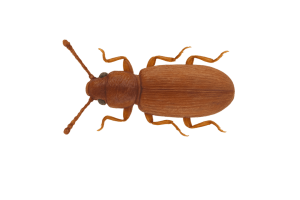
Size: Most weevils measure between 0.12 and 0.25 inches (3 to 6 millimeters) in length. Size varies depending on the species and the type of product they infest.
Color: Weevils are usually brown, black, or reddish brown. Their bodies are oval or elongated with a distinctive snout shaped head.
Description: Weevils are common stored product pests that infest grains, seeds, flour, pasta, and dried foods. They are small beetles that can reproduce quickly once they find a suitable food source. Although they do not harm humans, weevils contaminate food and can spread throughout kitchens, pantries, and cupboards if not treated promptly.

Weevils are often introduced into homes through dry goods purchased from grocery stores. Once inside, they can spread to other products stored in the pantry. Many species can chew through thin cardboard or plastic, allowing them to access new food sources or move between packages.

Weevils lay their eggs inside grains or food materials. When the larvae hatch, they feed from within the food item, causing hidden damage that is often discovered only after products are opened. This can lead to extensive contamination if multiple items are affected.

Weevil infestations typically grow in warm and undisturbed areas. Kitchens, pantries, basements, and food storage rooms offer ideal environments. Eliminating weevils requires discarding affected food, cleaning all shelves thoroughly, and sealing products in airtight containers. Prevention includes proper storage and regular inspection of dry goods.

  • Small beetles with elongated bodies and a pronounced snout

  • Brown, black, or reddish coloring

  • Slow moving and often found on shelves, inside cupboards, or crawling in food containers

  • Visible inside grains, rice, pasta, cereal, flour, seeds, or bird feed

  • Adults may be seen near windows as they move toward light

  • Infested food often contains small holes or fine powder created by feeding activity

  • Live insects found in dry food products

  • Fine grain dust or debris at the bottom of packages

  • Holes in food items such as kernels, seeds, or pasta

  • Movement in sealed or unopened packages

  • Spread of insects to nearby shelves or products

  • Increased activity around pantry shelves or storage bins

  • Store all dry goods in airtight containers made of glass or thick plastic

  • Regularly clean pantry shelves and vacuum cracks or corners

  • Inspect food before purchasing to ensure packaging is intact

  • Rotate food supplies so older items are used first

  • Keep grains, seeds, and flour in cool and dry conditions

  • Dispose of infested items promptly to prevent spread

  • Contact professional pest control if weevils continue to appear despite cleaning and proper storage

BIRCH FUMIGATORS

est. 1900

Don't Let Bugs Get the Best of You

BIRCH FUMIGATORS

est. 1900

Don't Let Bugs Get the Best of You