Serving Edmonton for over 120 years

Phorid flies

Identification

Size: 2–4 mm long
Color: Tan, brown, or black
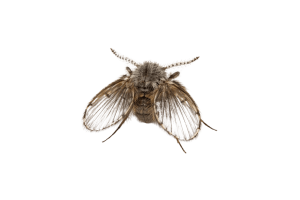
Description: Phorid flies are small, fast-moving flies commonly found indoors near drains, moisture sources, or decaying organic material. They are often mistaken for fruit flies but have a distinctive erratic, running flight pattern.

Phorid flies, also known as humpbacked flies or scuttle flies, are a common nuisance pest in homes and commercial buildings. They are named for their distinctive arched thorax and their tendency to run rapidly across surfaces rather than fly for long distances. These flies are most often found indoors near moisture-rich environments where organic material is present.

Phorid flies breed in decaying organic matter such as food waste, sewage residue, rotting plants, and organic buildup inside drains or floor cracks. In some cases, infestations may be linked to broken sewer lines, hidden plumbing leaks, or deceased rodents within walls or crawl spaces. Because their breeding sources are often concealed, phorid fly infestations can be persistent and difficult to eliminate without professional intervention.

While phorid flies do not bite, they pose sanitation concerns due to their association with unsanitary breeding sites. They can contaminate food preparation areas and are especially problematic in kitchens, bathrooms, and commercial food-handling environments.

Effective control of phorid flies requires identifying and eliminating the underlying breeding source. Simply killing adult flies will not resolve the infestation. Professional pest control focuses on source identification, sanitation improvements, and targeted treatments to prevent ongoing fly development.

Phorid flies are small, dark-coloured flies with a distinctive humpbacked appearance. They are strong runners and are often seen scurrying across countertops, walls, or floors rather than hovering in the air. When they do fly, their movement is short, erratic, and low to the ground. Under close inspection, they have short antennae and clear wings that lie flat over the body when at rest.

Common signs of a phorid fly infestation include frequent sightings of small flies indoors, especially around sinks, drains, garbage areas, or damp locations. Flies may suddenly appear in large numbers, even in clean spaces. Persistent fly activity despite cleaning efforts often indicates a hidden breeding source such as drain buildup, plumbing leaks, or decaying organic matter inside walls or floors.

Preventing phorid flies involves eliminating moisture and organic buildup. Regularly clean drains and garbage areas, fix plumbing leaks promptly, and avoid allowing food waste to accumulate. Seal cracks in floors, walls, and around plumbing fixtures to reduce access to breeding sites. Proper sanitation and moisture control are essential, but ongoing fly issues may require professional inspection to locate and treat concealed sources.

BIRCH FUMIGATORS

est. 1900

Don't Let Bugs Get the Best of You

BIRCH FUMIGATORS

est. 1900

Don't Let Bugs Get the Best of You