Serving Edmonton for over 120 years

Mealybugs

Identification

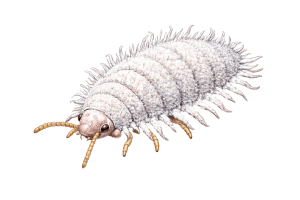
Size: 1–5 mm long
Color: White or light gray with a waxy coating
Description: Mealybugs are small, soft-bodied insects covered in a white, cotton-like substance. They feed on plant sap and are commonly found on indoor and outdoor plants. Their feeding can weaken plants and lead to leaf damage and poor growth.

Mealybugs are common pests that affect a wide range of indoor and outdoor plants, including houseplants, ornamentals, and garden crops. They are typically found in clusters and prefer protected areas such as leaf joints, stems, and the undersides of leaves. Their white, waxy coating helps protect them from environmental conditions and some treatments.

These insects feed by piercing plant tissue and sucking out sap. As they feed, they reduce the plant’s ability to retain nutrients and moisture, which can cause yellowing, wilting, and stunted growth. Heavy infestations can lead to leaf drop and overall decline in plant health.

Mealybugs also produce honeydew, a sticky substance that can attract ants and promote the growth of black sooty mold. They reproduce quickly, especially in warm indoor environments, allowing infestations to spread rapidly if not addressed early.

Mealybugs are most easily recognized by their white, cotton-like appearance on plant surfaces. They tend to gather in clusters and are often found in hidden areas of the plant.

Look closely at stems, leaf joints, and the undersides of leaves for small white masses. You may also notice sticky residue or signs of plant stress, which can indicate their presence.

  • White, cotton-like clusters on plants
  • Small insects grouped along stems and leaf joints
  • Sticky residue (honeydew) on leaves or surfaces
  • Presence of black sooty mold
  • Ant activity around affected plants

Mealybug infestations often result in visible plant stress. Leaves may turn yellow, wilt, or drop prematurely as the insects feed on plant sap.

You may also notice sticky residue on leaves or nearby surfaces, along with black sooty mold growing on that residue. In many cases, clusters of white, cotton-like material are visible on the plant.

Inspect plants regularly, especially indoor plants and new plant growth, where mealybugs are most likely to appear. Early detection helps prevent infestations from spreading.

Avoid overwatering and maintain proper plant spacing to reduce humid conditions that favor these pests. Cleaning plant leaves and removing affected areas can also help control early infestations.

For larger or persistent infestations, professional pest control services can provide targeted treatments and help protect your plants long term.

BIRCH FUMIGATORS

est. 1900

Don't Let Bugs Get the Best of You

BIRCH FUMIGATORS

est. 1900

Don't Let Bugs Get the Best of You