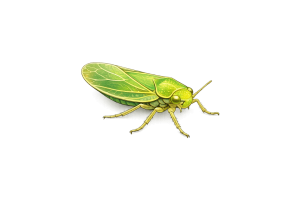
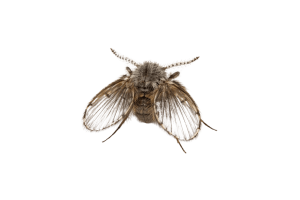
Identifying leaf rollers involves observing their unique behavior, the damage they cause, and their physical appearance in different life stages. Here are some key indicators to help you identify leaf rollers:
- Rolled or folded leaves: Look for leaves that are rolled, folded, or webbed together, often held in place with silk threads. This is a telltale sign of leaf roller activity, as they create these protective shelters while feeding.
- Leaf damage: Examine leaves for signs of feeding damage, such as irregular holes or chewed edges.
- Larvae (caterpillars): Leaf roller caterpillars are typically green, brown, or yellowish in color, measuring about 0.5 to 1 inch (12 to 25 millimeters) in length, depending on the species. If you unroll an affected leaf, you may find the caterpillar, webbing, fecal matter, and sometimes eggs inside.
- Pupal cases: Look for the characteristic cone-shaped, folded leaflets where the caterpillar pupates. Pupal cases may be found on the tree or on the ground around the tree.
- Adult moths: Adult leaf roller moths are small, with wingspans ranging from 0.5 inch (12 millimeters) to 1.5 inches (38 millimeters). Their color can vary from gray, brown, yellow, or white, often with intricate patterns on their wings.
By observing these signs and the physical appearance of the insects at various life stages, you can identify leaf rollers and take appropriate action to manage them.