Identifying leaf miners involves examining the signs of their presence on plants and, in some cases, observing the insects themselves. Here are some steps to help you identify leaf miners:
- Examine the leaves: Leaf miners leave distinctive damage patterns on leaves, which is often the first sign of their presence. Look for serpentine or blotch-like mines, which are discoloured, translucent trails or patches on the leaf surface. These mines are created by the larvae as they feed on the inner leaf tissue.
- Check for eggs: Some leaf miner species lay their eggs on the surface of leaves or within plant tissues. Inspect the leaves for small, white or yellow, oval-shaped eggs, which are often clustered together.
- Observe the larvae: In some cases, you may be able to see the larvae inside the mines or on the leaf surface. Leaf miner larvae are generally small, measuring less than 1/25 inch (1 millimeter) when they hatch and growing up to 1/3 inch (8 millimeters) long. They can be pale yellow, green, cream-coloured, or translucent, depending on the species.
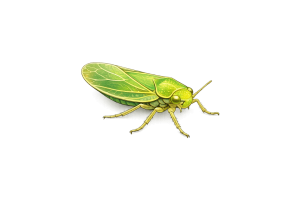
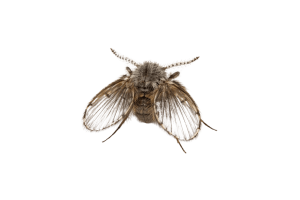
- Look for adult insects: Adult leaf miners can be more challenging to identify, as they are tiny and may not be present on the affected plants. However, if you do spot them, they can help confirm the presence of leaf miners. Adult leaf miner flies are about 1/10 inch (2.5 millimeters) long and may be black, brown, or yellow with various markings. Other leaf miner species like moths, beetles, or sawflies may have different appearances.
- Assess the host plants: Leaf miners tend to infest specific plants, so knowing the host plants can help confirm their presence. For example, birch, elm, aspen, hawthorn, and poplar trees, as well as shrubs like lilacs, are common targets for leaf miners.
If you suspect that your plants have been infested with leaf miners, it’s essential to monitor the situation closely and take appropriate control measures to manage the infestation and prevent further damage to your plants.