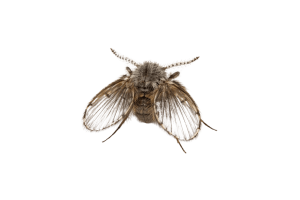
Serving Edmonton for over 120 years

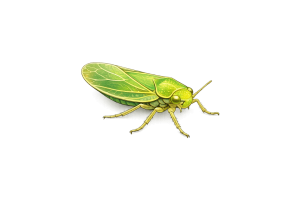
Lace bug

Identification

Size: 3–5 mm long
Color: Light brown to black with translucent, lace-like wings
Description: Lace bugs are small sap-feeding insects that attack ornamental trees and shrubs. They feed on the underside of leaves, causing pale speckling, yellowing, and overall decline in plant appearance.

Lace bugs are common landscape pests that target plants such as hawthorn, birch, oak, and rhododendron. They live primarily on the underside of leaves, where they pierce the plant tissue and feed on sap. This feeding damages leaf cells and reduces the plant’s ability to produce healthy green growth.

As populations grow, damage becomes more noticeable across the entire plant. Leaves may lose their rich color and develop a faded or bronzed look. If infestations continue through the season, affected shrubs and trees can become stressed and show reduced vigor year after year.

The easiest way to confirm the presence of lace bugs is to inspect the undersides of affected leaves. Adults have delicate, see-through wings with a net-like pattern, while immature stages appear darker and wingless. They are usually clustered along leaf veins where feeding activity is highest.

You may also see small black spots beneath the leaves. These tar-like marks are left behind as the insects feed and are a clear sign of activity. The upper leaf surface often shows light speckling that aligns with feeding below.

Early signs of lace bug damage include small pale or white spots on leaves. As feeding continues, leaves may turn yellow or take on a bronze tone, especially during hot, dry weather. Damage is often first noticed on the lower or inner portions of the plant.

In more advanced cases, leaves may dry out and drop sooner than expected. Shrubs that experience repeated infestations may appear thin or less full over time. Damage is often mistaken for drought stress, which can delay proper treatment.

Regular inspections during late spring and summer can help catch lace bug activity before damage spreads. Focus on checking the underside of leaves, especially on plants that have had problems in previous years. Early detection makes management more effective.

Proper watering and spacing help reduce plant stress, making shrubs and trees less vulnerable to heavy infestations. For properties with recurring lace bug issues, professional monitoring and seasonal treatments can help protect ornamental plantings and maintain a healthy landscape.

BIRCH FUMIGATORS

est. 1900

Don't Let Bugs Get the Best of You

BIRCH FUMIGATORS

est. 1900

Don't Let Bugs Get the Best of You

Come Visit Us at the Edmonton Home + Garden Show.

Use the link below to save $2 on your admission.