Serving Edmonton for over 120 years

Fruit flies 

Identification

Size: 2–4 mm long
Color: Tan to light brown, with red or dark eyes
Description: Fruit flies are small nuisance flies commonly found indoors around ripening fruit, food waste, and recycling areas. They reproduce quickly and can become a persistent problem in kitchens and food-handling spaces.

Fruit flies (Drosophila species) are one of the most common indoor fly pests, particularly in homes, restaurants, and grocery environments. They are attracted to fermenting sugars and organic matter, making kitchens, pantries, compost bins, and recycling containers ideal breeding grounds. Even small amounts of overripe fruit, spilled beverages, or food residue can support a large infestation.

These flies have a rapid life cycle, allowing populations to multiply quickly if conditions are favourable. Eggs are laid directly on fermenting organic material, and larvae develop within days. Because of their small size, fruit flies can easily enter buildings through open doors, windows, or produce brought indoors.

While fruit flies do not bite, they pose sanitation concerns by contaminating food and food-contact surfaces. Their presence often indicates underlying sanitation or moisture issues that require attention. In commercial environments, fruit fly infestations can negatively impact food safety standards and customer perception.

Effective fruit fly control requires eliminating breeding sources rather than focusing solely on adult flies. Professional pest control services help identify hidden attractants, implement sanitation strategies, and apply targeted treatments to stop ongoing reproduction.

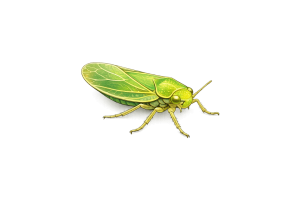
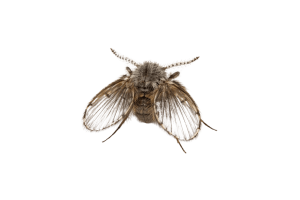
Fruit flies are very small, slow-flying insects commonly seen hovering around fruit bowls, sinks, and garbage areas. They typically have tan or light-brown bodies with noticeable red or dark eyes. Their flight pattern is gentle and hovering, and they are often observed resting on food, countertops, or walls near breeding sites.

Signs of a fruit fly infestation include frequent sightings of small flies around ripening fruit, recycling bins, compost containers, or drains. Populations often increase rapidly, even after cleaning, due to hidden breeding material such as residue in drains, garbage disposals, or forgotten food items. Persistent fly activity indoors is a strong indicator of active reproduction.

Preventing fruit flies involves strict sanitation and moisture control. Store fruit in sealed containers or refrigerators, dispose of food waste promptly, and clean recycling bins regularly. Wipe down surfaces where spills may occur and flush drains with appropriate cleaners to remove organic buildup. Sealing entry points and maintaining proper food storage habits greatly reduces the risk of infestation.

BIRCH FUMIGATORS

est. 1900

Don't Let Bugs Get the Best of You

BIRCH FUMIGATORS

est. 1900

Don't Let Bugs Get the Best of You

Come Visit Us at the Edmonton Home + Garden Show.

Use the link below to save $2 on your admission.