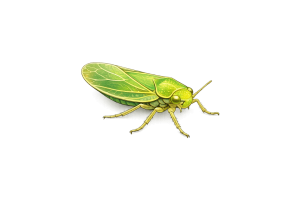
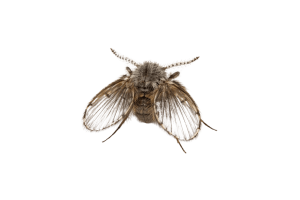
One of the most obvious signs of an elm scale infestation is the presence of bumps or lumps on the bark or leaves of elm trees or other host plants. These bumps or lumps are the scale insects themselves, which have a round, convex shape and are covered with a waxy protective coating. The color of elm scale can vary from brown to reddish-brown, depending on the species.
Another sign of an elm scale infestation is the presence of sticky honeydew substance on leaves and branches. Honeydew is a sweet, sticky liquid excreted by the scale insects as they feed on the sap of the host plant. This substance can attract other insects like ants and bees and can lead to the growth of sooty mold, a black fungal growth that can cover the leaves and branches of the host plant.
Yellowing or wilting of leaves on the host plant is another sign of an elm scale infestation. As the scale insects feed on the sap of the plant, they can cause damage to the leaves and stems, leading to a reduction in the plant’s ability to photosynthesize and produce energy.