Vole Removal Deter Voles & Garden Pests
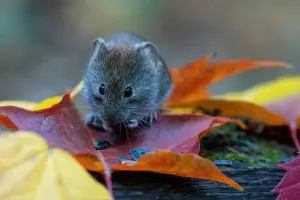
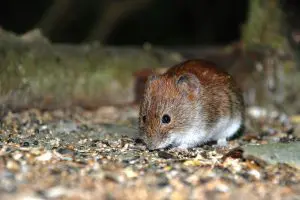
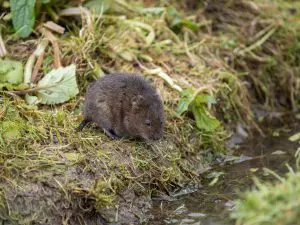
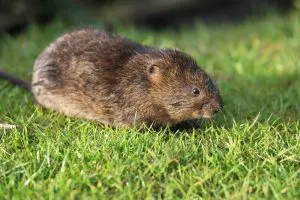
Dealing with vole populations in your yard can be challenging. These small rodents, often called meadow mice, are known for creating extensive vole burrows and runways under the snow cover, becoming more visible as the snow melts. The key to vole control lies in understanding their behaviour and habitat. Voles multiply rapidly and prefer dense ground cover, which provides protection from natural predators like owls, hawks, and foxes. As burrowing rodents, they can cause major damage to garden areas and lawns by eating roots and gnawing on the lower trunk of woody ornamental plants, which is why it’s crucial to implement effective pest control methods to manage their numbers.
Protect Young Trees & Garden Plants
To protect young trees and garden plants, homeowners are encouraged to remove dense ground cover and employ safe and effective methods such as habitat modification. Removing fallen fruit and keeping the lawn mowed helps eliminate food sources that attract voles. Repelling voles can be accomplished with natural repellents like castor oil, which can be applied around vole runways and the garden perimeter to discourage their activity. Additionally, introducing physical barriers such as wire mesh around tree guards can protect bulbs and prevent voles from burrowing underneath and causing severe damage.
Encourage Natural Predators
Encouraging natural predators by creating a hospitable environment for them can be part of an integrated pest management approach. Live traps set near vole holes and baited with peanut butter can also be a humane method to control vole populations. Regularly inspecting the garden for telltale signs of vole activity, such as small holes and closely resembling mice, can help in early detection and control.
Repelling Voles With Natural Repellants
Coffee grounds are commonly referred to as a natural vole repellent and can be spread around the garden to help deter voles. Furthermore, planting species that voles find distasteful can discourage voles from feasting on your plants. In instances where DIY methods fail, consulting a professional pest control service may be necessary to manage a significant vole infestation effectively.
Summer & Winter Control Methods
During winter, when snow cover provides a hiding place for voles, they can wreak havoc on grass and plants, highlighting the importance of controlling voles before they cause more damage. As the lawn is a prime area for vole activity, keeping grass short and removing leaf piles can push voles to move elsewhere.
Remember, the goal is to create a balance where you protect your garden and lawn while controlling vole populations through safe and effective methods. When natural methods and habitat modification aren’t enough, traps, and possibly professional pest management, may be the next step to take.