Understanding the Rodent Family
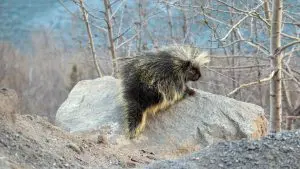
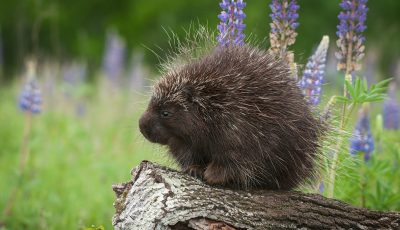
Yes, porcupines are Rodents. The North American porcupine is a large rodent that can be found in North America. It is second in size only to the North American beaver and can weigh up to 20 pounds (9 kilograms) and grow to be 2 to 3 feet (60 to 90 centimetres) long.
The Unique Characteristics of Porcupines
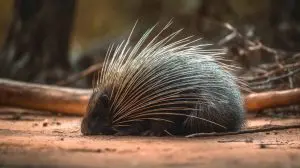
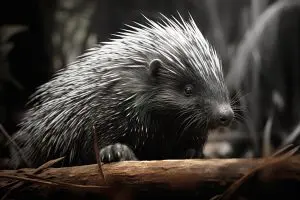
Porcupines distinguish themselves within the rodent family through their most notable feature: their quills. These are actually modified hairs coated with thick plates of keratin that are sharp enough to penetrate flesh and can be a formidable defense mechanism against predators. When threatened, porcupines raise these quills as a warning and, if necessary, will back into predators to protect themselves. Despite a common misconception, porcupines cannot “shoot” their quills; contact is required for the quills to detach.
Different Species of Porcupines
There are around 29 species of porcupines divided into two main families: the Old World porcupines of the family Hystricidae and the New World porcupines of the family Erethizontidae. Old World porcupines are generally larger, live on the ground in the forests of Europe, Asia, and Africa, and have quills that are grouped in clusters. New World porcupines, found in North and South America, are smaller, typically arboreal (tree-dwelling), and have quills that are interspersed with bristles and underfur.
The Diet and Habitat of Porcupines
Porcupines are mostly nocturnal and have a diet consisting largely of leaves, herbs, twigs, and green plants. In the winter, they may chew on bark. They are found in various habitats, including forests, deserts, and grasslands. Their need for substantial vegetation influences their habitat choices, often leading them to inhabit areas where they can cause damage to trees and other vegetation, creating conflicts with human activities.
The Role of Quills in Porcupine Defense
The quills of a porcupine are its main defense mechanism. Each quill has a barbed tip which makes it difficult and painful to remove once it has embedded into another animal. The porcupine’s quills lie flat until it is threatened, at which point they stand up as a deterrent. If the threat continues, the porcupine will often back into its aggressor, driving the quills in deeper.
Managing Porcupine Pests Responsibly
In areas where human and porcupine habitats overlap, porcupines can become pests. They may damage natural timber, landscaping, and even vehicles, as they are known to gnaw on anything that has salt residue including road salt and sweaty car handles. Managing these conflicts requires responsible strategies that prioritize humane treatment, such as using fencing to protect trees and property, applying repellents, and employing live trapping followed by relocation when necessary.
Why Choose Birch Fumigators for Your Porcupine Control Needs
When dealing with porcupine issues, it’s crucial to approach the problem with expertise and sensitivity. Birch Fumigators offers humane and effective solutions for managing porcupine populations, ensuring minimal stress and harm to the animals while protecting your property. Our team is trained in the best practices of wildlife management, combining advanced techniques with a deep respect for nature to resolve conflicts efficiently. Choosing Birch Fumigators means opting for a professional, ethical approach to pest control, ensuring that your porcupine problems are handled responsibly.