Serving Edmonton for over 120 years

Cluster Flies Pest Control

Exterminate Cluster Flies Before They Swarm!

Certified Pest Control Experts

BIRCH FUMIGATORS

est. 1900

Don't Let Bugs Get the Best of You

BIRCH FUMIGATORS

est. 1900

Don't Let Bugs Get the Best of You

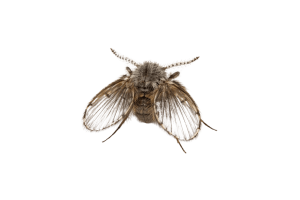
What do cluster flies look like?

Cluster flies overlap their wings over their abdomens while house flies don’t, which is one way to determine if the fly you saw in your kitchen is the first sign of a bigger problem. Having cluster flies in your home can be very problematic. While they aren’t as hazardous as other pest infestations, cluster flies wake up from hibernation as large swarms that can fill your home.

How to prevent cluster fly infestations?

Birch Fumigators have the ability to control swarms on your home or business. We also recommend a spring attic fog to prevent infestations. This preventive measure should be done ahead of time if you have a problem with these swarms. If you already have a cluster fly problem in your home, be sure to call the expert team at Birch Fumigators.

Professional Pest Control Services

Don't let bugs take over - call Birch Fumigators today! Get a Free Estimate (Within the Edmonton Area). Go with the best pest control company Edmonton.

Professional Pest Control Services

Don't let bugs take over - call Birch Fumigators today! Get a Free Estimate (Within the Edmonton Area). Go with the best pest control company Edmonton.

Thousands of Satisfied customers

Frequently Asked Questions

If you find cluster flies in your house during winter, they are likely already overwintering within your home. You can use a vacuum cleaner to remove visible flies. It’s also a good idea to inspect your home for potential entry points and seal them. Sometimes, especially if the infestation is large, you may want to contact Birch Fumigators for a more comprehensive treatment. Additionally, using light traps in areas like attics or basements can help manage the population until the weather warms up and the flies naturally leave the building.

Cluster flies are more significant than the common housefly and move more sluggishly. They have a distinctive golden sheen on their thorax, and their wings overlap at rest. Unlike houseflies, cluster flies are not associated with unsanitary conditions, as they breed outdoors in the soil.

Cluster flies are generally considered a nuisance pest rather than a serious health threat. Unlike house flies or fruit flies, they do not bite, sting, or spread diseases. However, their presence in large numbers can create certain issues that homeowners should be aware of.


Are Cluster Flies Harmful to Humans?

1. No Disease Transmission

  • Cluster flies do not carry or spread bacteria or viruses like some other fly species.
  • They do not contaminate food sources, making them less of a health concern compared to house flies.

2. No Bites or Stings

  • Unlike mosquitoes or biting flies, cluster flies do not feed on blood and pose no direct harm to humans or pets.

3. Potential Indoor Nuisance

  • In large numbers, cluster flies can be frustrating, especially during cooler months when they gather indoors.
  • Their bodies and droppings may cause minor staining on walls and windows.
  • Dead cluster flies can attract secondary pests like carpet beetles, which feed on their remains.

How to Prevent and Control Cluster Flies

Even though cluster flies do not pose direct health risks, their sheer numbers can be overwhelming. Preventing them from entering your home is the best way to avoid an infestation.

  • Seal entry points by caulking gaps around windows, doors, and vents.
  • Install fine mesh screens on windows to prevent flies from entering.
  • Vacuum up flies rather than squashing them, as their bodies can stain surfaces.
  • Use light traps to catch flies in attics or crawl spaces.
  • Consider professional pest control for severe infestations.

Professional Cluster Fly Control with Birch Fumigators

If cluster flies are invading your home, Birch Fumigators offers expert pest control solutions to eliminate them effectively. Our team provides:

  • Thorough inspections to locate entry points and nesting areas.
  • Safe, effective treatments to reduce fly populations.
  • Preventative solutions to keep cluster flies from returning.

For fast and reliable cluster fly removal, contact Birch Fumigators today.

Cluster flies become most active during the late summer and early fall. This is when they seek shelter in homes and buildings for overwintering. However, you might also notice increased activity on warm, sunny days in the winter and early spring as the flies become more active due to the warmth.

Cluster flies can return after treatment, especially if the underlying conditions that attract them remain unchanged. These flies are known for their tendency to return to the exact locations year after year for overwintering. To prevent reinfestation, it’s essential to maintain preventive measures like sealing entry points, using light and sticky traps, and considering annual professional treatments before the onset of colder weather.

If left untreated, cluster fly infestations can recur annually, becoming more severe over time. Continuous presence can lead to staining from droppings and an ongoing nuisance. Additionally, neglecting the problem may signal a lack of maintenance, potentially affecting property value and perception in commercial settings.

Cluster flies can affect businesses by creating an unpleasant environment for customers and employees, especially in sectors like hospitality and retail. Preventive measures such as sealing entry points, maintaining cleanliness, and proactive treatments are essential. Regular inspections and timely interventions can minimize the impact on business operations.

Cluster flies themselves do not cause physical property damage. However, their droppings can stain fabrics and surfaces, and large numbers of dead flies can create a mess and an unpleasant odour. The primary concern with cluster flies is more about nuisance and maintaining a clean environment than physical property damage.

Weather and seasonal changes significantly affect cluster fly activity. They are most active in late summer and early fall when they seek shelter for overwintering. Warm, sunny days during winter can also stimulate activity within buildings. Understanding these patterns helps in timing prevention and control efforts effectively.

Natural remedies, such as essential oils (e.g., eucalyptus, lavender, or peppermint oil), can act as deterrents but are usually less effective than professional treatments. Light traps and sticky traps can also be used to capture flies. However, for large infestations, these methods may not be sufficient, and professional intervention might be necessary.

Related blogs

No data was found