Serving Edmonton for over 120 years

Ant Exterminators

Exterminate Ants Before They Spread!

Certified Pest Control Experts

BIRCH FUMIGATORS

est. 1900

Don't Let Bugs Get the Best of You

BIRCH FUMIGATORS

est. 1900

Don't Let Bugs Get the Best of You

Facts About Ants

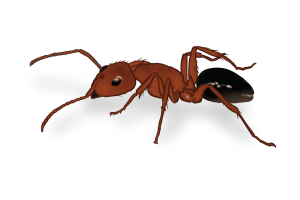
Ant invasions can pose a significant challenge within your living space, especially considering the broad variety of ant species that could be responsible. When facing an ant problem, it is crucial to identify which type of ant is present, as different ants like carpenter ants, pharaoh ants, pavement ants, and others have distinct nesting habits and preferences which influence the approach for effective ant control.

Carpenter Ants Can Cause Structural Damage

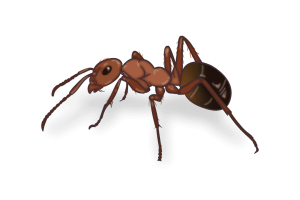
Carpenter ants, for example, often establish carpenter ant colonies within the wood, necessitating a thorough inspection of potential sites like decaying wood, wall voids, and moist areas where these ants live. Unlike termites, carpenter ants don’t eat the wood but create galleries for their nests, which can lead to structural damage over time.

Pharoah Ants Reproduce Quickly

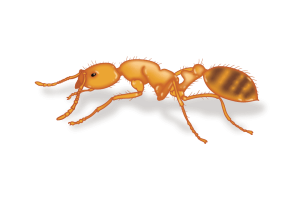
Pharaoh ants are another concern, as these tiny pests can proliferate rapidly, with pharaoh ant infestations potentially leading to multiple nests and large ant colonies within buildings. Due to their small size and the fact that they often have multiple queens in a single colony, they can be a particularly difficult pest to manage and eradicate.

Ant Control Treatments

Effective ant treatments typically combine several strategies, such as baiting, spraying, and sealing entry points like cracks and crevices to prevent future infestations. For persistent problems or large ant colonies, professional pest control services may be necessary to remove ants and treat ant problems thoroughly.

Ant Extermination Methods

Professional pest control often involves a combination of interior and exterior treatments to address not only the ants you see but also those you don’t, such as the ones hiding in nests located in less visible areas like subflooring, insulation, or even under appliances.

Understanding Ant Behaviour

Moreover, understanding the behaviour of ants is crucial for long-term ant removal. For instance, ants entering homes are often searching for resources, so eliminating food sources and addressing moisture issues can significantly reduce ant activity. Simple preventative measures like sealing cracks, maintaining a clean kitchen, and managing garbage can deter ants from establishing a foothold in your home.

Edmonton Ant Exterminators

Edmonton exterminators, specifically, understand the challenges posed by local species and the Edmonton area’s climate. They can offer specialized knowledge in dealing with common ant problems in the region, from the common little black ant to more ants like the larger carpenter ant species.

Regular pest inspections and treatments can help maintain a barrier against ants and other pests, thereby protecting your property from the damage and health risks associated with ant infestations. Always seek the advice of a professional when dealing with ant issues to ensure safe and effective resolution.
Professional Pest Control Services

Don't let bugs take over - call Birch Fumigators today! Get a Free Estimate (Within the Edmonton Area). Go with the best pest control company Edmonton.

Professional Pest Control Services

Don't let bugs take over - call Birch Fumigators today! Get a Free Estimate (Within the Edmonton Area). Go with the best pest control company Edmonton.

Thousands of Satisfied customers

Frequently Asked Questions

The Power of Vinegar Against Ants

Ants generally have a solid aversion to vinegar, especially white vinegar. Its potent smell disrupts their scent trails, making it difficult for them to find food sources. Incorporating vinegar into cleaning solutions can be a natural deterrent, keeping ants at bay from areas they are not wanted.

Peppermint: A Natural Ant Repellent

Peppermint is refreshing for humans and a formidable repellent for ants. Its intense aroma is overpowering to ants, making it an excellent choice for natural pest control. Using peppermint essential oil in sprays or diffusers can help create a barrier against these pests.

Cinnamon: More Than Just a Spice

The warm scent of cinnamon is inviting to many people but is a natural ant deterrent. Sprinkling cinnamon powder or using cinnamon essential oil near entry points can help prevent ants from entering your home.

Lemon’s Citrus Power

The fresh, citrus scent of lemon is another aroma that ants tend to avoid. Lemon juice or peels can be used in areas where ants are a problem, acting as a natural and safe repellent.

Essential Oils: A Versatile Ant Repellent

Certain essential oils, such as tea tree, eucalyptus, and peppermint, are known for their strong scents that ants dislike. These oils can be used in various ways, from sprays to diffusers, to keep ants away effectively and safely.

Why Professional Ant Extermination Is the Best Solution

While these natural remedies can temporarily relieve ants, they may not be sufficient for severe or recurring infestations. In such cases, professional ant extermination becomes necessary. Birch Fumigators specialize in identifying the root cause of ant problems and implementing targeted strategies to not only eliminate ants but also prevent their return. Opting for professional extermination ensures a thorough and lasting solution, sparing you from the ongoing hassle and inconvenience of dealing with ants. Trusting Birch Fumigators means investing in peace of mind, knowing your ant issue will be handled efficiently and effectively.

By choosing Birch Fumigators for your ant extermination needs, you benefit from expert knowledge and practical, safe pest control solutions tailored to your situation. Don’t let ants overrun your space. Contact Birch Fumigators today for a consultation and reclaim your home from unwanted pests.

Vinegar is a natural ant repellent and can be used to get rid of ants outside. Simply mix equal parts vinegar and water in a spray bottle and spray the mixture around the perimeter of your home. The ants will not be able to cross the vinegar line and will be forced to find another way into your home.

Understanding Ant Control Methods

Ant control is a widespread concern for many property owners. The market offers many products, each promising to address ant infestations effectively. Among these, ant sprays and powders are popular choices, each with distinct benefits and specific applications tailored to varying ant control needs.

The Case for Ant Powder

Ant powder operates on the principle of indirect but comprehensive colony eradication. By strategically placing the powder along known ant trails and entry points, it’s designed to be transported back to the colony by worker ants. This method targets the colony’s heart, aiming to eliminate the queen and, subsequently, the entire colony. Its strength lies in offering a durable solution to ant infestations, with the powder’s effects lasting significantly longer than liquid sprays. Furthermore, ant powder is praised for its targeted approach, focusing on the colony’s eradication without the necessity of spraying chemicals into the environment, thereby reducing the invasive nature of the treatment.

The Role of Ant Sprays

Ant sprays serve as the go-to option for immediate ant control. They are applied directly onto visible ants or their trails, offering instant results by killing ants upon contact. This method is particularly valued for its prompt action and ease of use, enabling quick responses to visible infestations within indoor spaces. Additionally, ant sprays offer versatility, applicable across various indoor and outdoor environments.

Comparing Effectiveness

The decision between ant spray and powder hinges on the specific nature of your ant problem. Sprays provide an immediate solution for tackling visible infestations and use within home interiors. Conversely, ant powder may prove more productive for enduring control, particularly against hidden nests.

Personalized Ant Control Strategies

Optimal ant control often necessitates a bespoke combination of methods, carefully chosen based on the infestation’s specifics. The type of ant, infestation location, and safety considerations for occupants, including pets and children, are crucial in devising an effective treatment strategy.

The Importance of Professional Expertise

While do-it-yourself methods can offer temporary mitigation, the expertise of professional exterminators brings comprehensive and lasting solutions. Professionals in ant control possess the skills to accurately identify ant species, locate their nests, and recommend effective treatment plans that address the infestation at its source.

Why Choose Birch Fumigators for Your Ant Extermination?

Birch Fumigators excels in providing professional, efficient, and safe ant extermination services. By choosing Birch Fumigators, customized solutions targeting your specific ant challenge will benefit you. Their team of certified experts brings a wealth of experience and knowledge, ensuring the application of the most current, safe, and effective ant control methods. With a steadfast commitment to customer satisfaction, Birch Fumigators prioritize the health and safety of your household while striving to deliver exceptional results that free your property from ants.

Opting for Birch Fumigators means entrusting your ant extermination needs to professionals dedicated to resolving your pest issues effectively and safely. Contact Birch Fumigators today for a consultation and move closer to achieving a pest-free environment

Borax, scientifically known as sodium borate, is a naturally occurring mineral composed of sodium, boron, oxygen, and water. It has a wide range of uses in the home, from enhancing the cleaning power of laundry detergents to serving as a multi-purpose cleaner. Its versatility makes it a popular choice for many household tasks.

How Borax Kills Ants

Borax is used as a DIY ant killer when mixed with a sweet substance like sugar. This mixture works as bait: the sugar attracts the ants, and the borax, ingested along with the sugar, poisons them. Ants carry the borax bait back to their colony, where it is distributed among other ants, effectively reaching a large portion of the population and exterminating them at the source.

Safety Measures When Using Borax

When using borax around the home, it is crucial to prioritize safety. Borax should be placed out of reach of children and pets. Additionally, when handling borax, avoid direct contact with the skin and eyes to prevent irritation. Always wash hands thoroughly after any contact with borax, and use masks and gloves if necessary to prevent inhalation or direct exposure.

Alternatives to Borax for Ant Control

For those who prefer not to use chemicals like borax, several natural alternatives can be effective. Diatomaceous earth, which causes dehydration in ants upon contact, and essential oils like peppermint or lemon, which act as natural repellents, are safe, non-toxic options.

The Role of Professional Ant Control

While DIY solutions can be effective for minor ant infestations, larger or more persistent problems may require professional intervention. Pest control professionals can assess the situation thoroughly, identify the ant species, and implement a targeted strategy that safely and effectively eliminates the ants.

Why Choose Professional Ant Control Services

Professional pest control services offer significant advantages. They have access to more powerful tools and compounds unavailable to the general public. Moreover, they can eradicate the entire ant colony with minimal risk to your home environment, pets, and family.

Contact Birch Fumigators for Expert Ant Control

If you’re struggling with an ant problem, consider contacting Birch Fumigators. Our experienced team offers comprehensive ant control solutions tailored to your specific needs. We ensure effective and safe treatment plans that eliminate current infestations and prevent future ones. Contact us today to schedule a consultation and take the first step towards a pest-free home.

Dealing with outdoor ants can be frustrating, especially when they invade patios, gardens, and the exterior of your home. While there are several methods available to tackle an ant infestation, not all solutions are equally effective or safe. Understanding the different options and their associated risks is crucial before deciding how to handle the problem.

Common Outdoor Ant Control Methods

There are several ways to combat ants outdoors, ranging from DIY solutions to professional treatments. Here’s a breakdown of the most popular options:

1. Store-Bought Ant Poisons

Many hardware and garden stores offer ant baits, sprays, and granules designed to kill ants.

  • How they work: Ants are attracted to the bait, carry it back to their nest, and distribute the poison to the colony.
  • Effectiveness: Can be useful for small to moderate infestations but may take several days to show results.
  • Risks: If misused, these products can be harmful to pets, children, and beneficial insects in your yard.


2. DIY Boric Acid and Sugar Mixture

A common home remedy involves mixing 3 parts boric acid with 1 part sugar to attract and poison ants.

  • How it works: The sugar draws ants in, while the boric acid kills them after ingestion.
  • Effectiveness: Works slowly but can reach the queen and eliminate the colony over time.
  • Risks: Improper handling of boric acid can be hazardous to pets and children. Overuse may also harm plants and soil health.


3. Diatomaceous Earth (DE)

This natural powder, made from fossilized algae, is a non-toxic option that kills ants by dehydrating them.

  • How it works: The sharp microscopic edges cut through the ants’ exoskeletons, causing them to dry out.
  • Effectiveness: Safe for humans and pets when food-grade DE is used, but it must be kept dry to remain effective.
  • Risks: While generally safe, inhaling DE dust can irritate the lungs, and repeated application may be necessary after rain.


4. Boiling Water and Soap Solutions

Some homeowners attempt to eliminate ant colonies by pouring boiling water or soapy water into nests.

  • How it works: Boiling water scalds ants instantly, while soapy water disrupts their exoskeletons.
  • Effectiveness: May kill visible ants but often fails to reach deep into the colony, leaving the queen unharmed.
  • Risks: Hot water can damage surrounding plants, and repeated treatments are often needed.


Risks of DIY Ant Control Methods

While DIY solutions might seem convenient and cost-effective, they come with several risks:

  • Incomplete Elimination: Many DIY methods fail to kill the entire colony, allowing ants to return.
  • Health Hazards: Using chemicals improperly can pose risks to your family, pets, and local wildlife.
  • Environmental Damage: Overuse of certain pesticides can harm beneficial insects, soil health, and nearby plants.
  • Aggressive Colonies: Disturbing an ant nest without proper knowledge can cause ants to scatter, making the infestation worse.
  • Misidentification: Different ant species require specific treatments. Using the wrong method may be ineffective or counterproductive.

Dealing with an ant infestation can be challenging, but several natural methods can effectively kill ants. These techniques range from household items to simple mixtures you can prepare. However, it’s important to use them cautiously, especially in areas where they might affect other living things, like plants and animals. Here are four natural methods to kill ants:

  1. Borax and Sugar Bait: Mix borax with sugar and water to create a sweet and poisonous bait for ants. The sugar attracts the ants, and the borax fatally poisons them. Keep this mixture away from children and pets.
  2. Diatomaceous Earth (Food Grade): Sprinkling food-grade diatomaceous earth in areas where ants are present can be highly effective. It works by dehydrating the ants as they come into contact with the powder. This method is safe around humans and pets.
  3. Boiling Water: Pouring boiling water directly into ant nests can be a swift way to kill a large number of ants. However, be aware that boiling water can also kill plants and grass in the surrounding area.
  4. Soapy Water: A solution of soap and water can be lethal to ants by breaking down their protective exoskeleton, leading to dehydration and death. Spray it directly on ants or their trails.


While these methods can effectively reduce ant populations, they should be part of a comprehensive approach to ant control, including keeping your home clean and free of food scraps, sealing entry points, and addressing moisture issues.

Professional exterminators adopt a multifaceted approach to combating ant infestations, utilizing a combination of methods tailored to the situation. These methods include the use of baits, which feature slow-acting insecticide ants carry back to their colony, resulting in the elimination of both the queen and the colony over time. Additionally, exterminators might employ sprays containing residual insecticides to kill foraging ants on contact and deter future activity. For more concealed areas, such as wall voids, cracks, and crevices, finely milled insecticide dust is effective in eradicating ants and their nests directly. The selection of a particular method is influenced by various factors, including the ant species, the infestation’s locale, and the problem’s magnitude. Employing their expertise and access to a broad spectrum of products, professional exterminators determine the most suitable and efficacious treatment plan for each unique ant problem.

If you have ants in Edmonton, the best thing to do is to contact Birch Fumigators. Birch Fumigators will inspect your property, identify the type of ants you have, and provide a treatment plan to get rid of the ants for good.

The best way to get rid of an ant infestation in your house is to contact a professional pest control company. Birch Fumigators will conduct a thorough inspection of your property to identify the ant species, locate the nest, and determine the severity of the infestation. We will then recommend an appropriate treatment plan, which may include using baits, traps, insecticides or other pest control methods. Wewill also provides advice on how to prevent future ant infestations by sealing up entry points and removing any sources of food or water that may attract ants.

Getting rid of ants permanently can be challenging due to their resilient nature and ability to find food and water sources even in small quantities. However, with the right approach combining professional pest control methods and preventive practices, it’s possible to keep ants away for the long term. Here’s a step-by-step guide:

Step 1: Identify and Eliminate Attractants

  1. Clean Regularly
    Ants are attracted to food and moisture. Regularly clean your kitchen, sweep up crumbs, wipe down surfaces, and promptly store food in sealed containers.
  2. Fix Leaks
    Many ant species seek water sources, so fixing any leaks in pipes, sinks, or faucets can help reduce their attraction to your home.
  3. Secure Trash and Recycling
    Keep trash cans covered, clean up spills around trash areas, and rinse out recyclable containers to remove any lingering food residues.


Step 2: Block Entry Points

  1. Seal Cracks and Gaps
    Inspect your home for small cracks, gaps around doors and windows, and holes in walls. Use caulk or weatherstripping to seal off potential entry points.
  2. Install Door Sweeps
    Door sweeps and weather stripping on exterior doors prevent ants from entering through gaps under doors.
  3. Trim Back Vegetation
    Ants often enter homes by crawling on plants that touch the building. Trim back bushes, trees, and plants that are close to walls and windows.


Step 3: Use Natural Deterrents and Baits

  1. Apply Natural Repellents
    Ants dislike certain scents like vinegar, citrus, and essential oils such as peppermint or eucalyptus. Spray these around potential entry points and areas where you’ve seen ants.
  2. Use Ant Bait
    Ant baits are an effective way to target colonies. Place bait stations in areas where you’ve seen ant activity. The ants carry the bait back to their colony, which helps reduce the overall population.


Step 4: Contact a Pest Control Professional

  1. Professional Inspection and Treatment
    Exterminators can help by identifying the specific species of ants and locating their nests. They’ll use targeted treatments to eliminate the colony, including baiting or residual sprays that deter ants for an extended period.
  2. Follow-Up and Maintenance
    Pest control experts may recommend regular treatments to ensure that ant populations stay low, especially during warmer months when ants are more active.

To permanently keep ants out, focus on eliminating food and water sources, sealing entry points, and using targeted baits. Consistent cleaning, maintenance, and occasional professional treatments can help keep your home ant-free for the long term.

Related blogs

Spring is a time of renewal and growth, but unfortunately, it’s also the time when pests start to make their presence known. Alberta is no

Ants are a common household pest that can be a nuisance and carry harmful bacteria. While it may be difficult to completely eliminate ants from

Ants are a common household pest, but did you know that they can also pose a health risk to you and your family? Ants can

Ants are a common household pest, but identifying the specific type of ant can be difficult. Understanding the different types of ants and their unique

Carpenter ants are one of the most common—and most destructive—types of ants in North America. Unlike other types of ants, which simply invade your home

Ants can be a real nuisance when they invade your lawn and home. Carpenter ants are one of the most common species in Alberta, and