Serving Edmonton for over 120 years

FAQ Category: Wasps

Read frequently asked questions from our existing customers.

What are the most effective methods to control wasps during the summer?

Controlling wasps during the summer can be challenging but very manageable with the right techniques and products. To ensure you can enjoy your outdoor spaces without the threat of wasps, consider these effective methods:

  • Preventive Measures: Regularly inspect and seal any cracks or openings in your home’s exterior where wasps might build nests. Removing food sources such as uncovered garbage and sugary drinks can also deter wasps.
  • Traps: Deploying wasp traps around your yard can significantly reduce their numbers. Place these traps away from areas where you typically gather to avoid attracting wasps to you.
  • Natural Deterrents: Using essential oils such as peppermint or eucalyptus can help repel wasps. Mix a few drops with water in a spray bottle and apply it around the potential nesting sites.
  • Professional Pest Control: Engaging a trusted pest control service like Birch Fumigators ensures an environmentally friendly and humane approach. Birch Fumigators provides comprehensive summer pest control solutions, including Summer insect control, targeting pests such as mosquitoes, ants, and particularly wasps.

At Birch Fumigators, we pride ourselves on offering effective, friendly, helpful, and discreet treatments that ensure a pest-free environment. While we do not offer fumigation services, our best outdoor pest control product options include using biological control agents and environmentally friendly treatments. Visit our service page to learn more about how we can help you enjoy a wasp-free summer.

Preventing a wasp infestation in your yard over the summer requires some proactive measures. Here’s how you can keep those stinging intruders at bay:

1. Remove Food Sources: Wasps are attracted to food sources such as garbage, compost, and pet food. Ensure these are securely covered. Also, clean up after outdoor meals promptly.

2. Seal Entry Points: Inspect your home and yard for any potential entry points for wasps. Seal cracks and crevices around doors and windows.

3. Use Wasp Deterrents: Consider using wasp deterrents like essential oils, wasp traps, or even DIY summer pest control methods such as homemade sprays with natural ingredients.

4. Proper Landscaping: Keep your yard well-maintained. Trim overgrown bushes and remove fallen fruits which can attract wasps.

For a more comprehensive approach, you might want to consider professional summer pest control services. Birch Fumigators provides reliable and humane pest control treatment options specifically targeting summer pests such as wasps, mosquitoes, and ants. Our environmentally friendly treatments ensure that your yard remains pest-free without harming the ecosystem.

If you prefer a hands-off approach, Birch Fumigators is here to help with our expert summer insect control services. Contact us for more details on how we can assist you in maintaining a pest-free yard this summer.

If you discover a wasp nest in your yard during the summer, it’s essential to take immediate action to ensure your safety and the safety of others. At Birch Fumigators, we specialize in environmentally friendly and humane pest control treatment options, including effective solutions for summer pests like wasps.

Given that wasps can be aggressive and their stings are painful, it’s crucial not to attempt removing the nest yourself. Instead, follow these steps:

  • Identify the Wasps: Understand the type of wasps you’re dealing with. For instance, yellow jackets and paper wasps are common mosquitoes in summer and wasp species.
  • Keep Distance: Maintain a safe distance from the nest to avoid provoking the wasps. Inform others, especially children, about the wasp nest and instruct them to stay away.
  • Contact Professionals: Reach out to a professional pest control service like Birch Fumigators for expert assistance. Our team will safely and humanely remove the wasp nest without compromising your safety.

For ongoing protection and seasonal pest prevention tips, our trained professionals can provide tailored solutions to keep your yard and home free from wasps and other summer pests. Learn more about our services by visiting our pest control service page.

Yes, wasps can be removed safely without causing harm to them or the environment, especially during the summer. At Birch Fumigators, we specialize in environmentally friendly and humane pest control treatments for a wide range of summer pests, including wasps. Our summer pest control solutions are designed to be effective while ensuring minimal disruption to the ecosystem.

By employing humane methods and environmentally safe techniques, our summer insect control services help remove wasps without resorting to harmful chemicals or disruptive actions. We offer protective summer pest control for gardens, ensuring your garden remains pest-free without compromising on its ecological balance. Whether it’s using biological control agents or safe insecticidal treatments, we ensure your garden and outdoor spaces are protected while promoting a healthy environment.

Learn more about our pest control services at Birch Fumigators and how we can help you achieve a pest-free environment responsibly.

For professional, friendly, and discreet summer pest control, trust Birch Fumigators to remove wasps and other pests safely.

Yes, several natural methods exist to deter yellow jacket wasps from your property. One practical approach is to use essential oils and herbs that are known to repel wasps. Scents like peppermint, eucalyptus, and citronella can be unpleasant to yellow jackets. You can create a homemade repellent by mixing a few drops of essential oil with water in a spray bottle and applying it around areas where wasps are likely to nest or visit. Planting herbs such as mint, thyme, and lemongrass around your garden and outdoor spaces can also help deter wasps. Another natural method is to use decoy wasp nests. Yellow jackets are territorial and tend to avoid areas where they believe other colonies already exist. Hanging a decoy wasp nest in areas where you want to keep wasps away can be an effective deterrent. Keeping your outdoor spaces clean and free of food scraps, sugary drinks, and garbage is essential, as these can attract yellow jackets. Using traps specifically designed for yellow jackets can help reduce their population without the use of chemicals. These natural methods, when used together, can help create an environment that is less inviting to yellow jacket wasps.

Preventing yellow jacket wasps from nesting near your home involves several proactive steps. Start by sealing any cracks and crevices in the exterior of your home, including around windows, doors, and eaves, to eliminate potential nesting sites. Keep outdoor garbage cans tightly sealed and promptly clean up any food scraps or spills, as yellow jackets attract sugary and protein-rich foods. When dining outdoors, use covered containers for food and drinks, and avoid leaving food out for extended periods. Planting certain herbs and flowers, such as mint, basil, and marigold, can help repel yellow jackets. Additionally, regularly inspect your property for early signs of nests, which can look like paper-like structures in trees, shrubs, or under eaves. If you find a nest, it’s best to contact Birch Fumigators to safely remove it, especially if it’s large or in a difficult-to-reach area. Using yellow jacket traps around your property can also help reduce their population. By taking these preventive measures, you can minimize the risk of yellow jacket infestations and enjoy your outdoor spaces more comfortably.

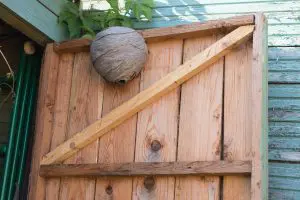
Yellow jacket wasps are social wasps known for their distinctive black and yellow markings. They are commonly found in North America and are particularly active during late summer and early fall. Yellow jackets can be aggressive, especially when their nests are disturbed, and they can sting multiple times. Unlike bees, yellow jacket wasps do not die after stinging, making them more dangerous. Their sting can cause severe pain, allergic reactions, and, in some cases, anaphylaxis, which requires immediate medical attention. Yellow jackets are also attracted to human food, particularly sweets and proteins, which can make outdoor activities and picnics uncomfortable. They build nests in various locations, including underground, in trees, shrubs, and inside buildings. Yellow jacket wasps can be a significant nuisance and a potential health hazard, especially for those with allergies. Controlling yellow jackets often involves locating and removing nests, using traps, and taking preventive measures to reduce their attraction to human habitats.

Understanding Wasp Behavior

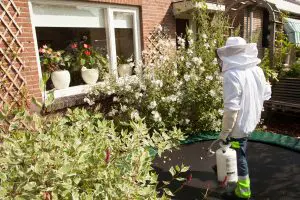
The best time to spray a wasp nest is during times when wasps are less active. This typically occurs in the evening or early morning. During these times, wasps are more likely to be inside the nest, reducing the likelihood of an aggressive response when disturbed.

Benefits of Evening Spraying

Spraying in the evening is often the most effective approach. This timing ensures that most wasps have returned to the nest after their daily activities. With more wasps in the nest, the spray can be more impactful, providing comprehensive control over the nest.

Morning Spray Timing

Alternatively, early morning applications can be effective. At this time, wasps are not yet fully active, which might make it easier to approach and treat the nest. Morning spraying can help catch the wasps before they start their day, increasing the chances of reaching the entire colony.

Safety Precautions

It’s essential to prioritize safety when spraying a wasp nest. If you are allergic to wasp stings, it’s crucial to proceed cautiously. Recommended safety measures include wearing protective clothing and ensuring that you have a clear escape route.

Recognizing Active Nests

Wasp nests are most active during the spring and summer. Signs of an active nest include visible wasps flying in and out. If you discover a nest, it is important to address it promptly to prevent the colony from growing and posing a greater risk.

Professional Wasp Control

Handling a wasp nest can be dangerous. Professional pest control services offer the expertise and equipment needed to manage the situation safely and effectively. They are trained to deal with various scenarios and ensure that the nest is treated with minimal risk to themselves and others.

Contact Birch Fumigators for Expert Assistance

If you encounter a wasp nest on your property, consider contacting Birch Fumigators. We provide free consultations to assess and address your specific wasp control needs. Our team is equipped to offer safe and effective wasp extermination services tailored to your situation.

Identifying the Signs of a Wasp Nest in Your Walls

The most common and noticeable sign of a wasp nest inside your walls is the sound of buzzing. This noise is not just any buzzing; it’s often persistent and muffled, indicating that it’s coming from within a structure. During quiet times, particularly at night when other household noises subside, you might hear a distinct humming or buzzing sound from the walls.

Visual Clues of Wasp Activity

Visual indicators are just as crucial in confirming the presence of wasps. Pay attention to the exterior of your home: if you see wasps consistently flying to and from a particular spot or disappearing into crevices, cracks, or ventilation openings, they likely have a nest inside. Over time, you may also notice an increase in the number of wasps around your property, which can further confirm suspicions of a nearby nest.

Understanding Wasp Behavior and Nesting Habits

Wasps choose secluded and protected areas to build their nests, and wall cavities offer an ideal shelter from predators and harsh weather conditions. In these hidden spaces, wasps build paper-like nests made from chewed wood pulp and saliva. Understanding these behaviours and preferences can help homeowners identify potential nesting spots and take early preventive measures.

The Dangers of Wasp Nests in Homes

A wasp nest inside your home poses several risks. Wasps can be aggressive if disturbed, potentially leading to painful stings. For individuals with allergies, these stings can be life-threatening. Additionally, large nests can cause physical damage to walls, as the wasps need space to expand their colony.

DIY vs. Professional Wasp Removal

While DIY methods for removing wasps are available, they often come with risks. Disturbing a nest can provoke wasps, leading to aggressive behaviour. Moreover, improperly handled removal can result in incomplete eradication, allowing the wasps to rebuild. On the other hand, professional pest control experts have the appropriate tools and protective equipment to safely and effectively remove wasp nests, ensuring all parts of the colony are eliminated.

Preventative Measures to Keep Wasps Away

Preventing wasp infestations is more manageable than dealing with established nests. Seal any cracks and crevices in your home’s exterior to eliminate entry points. Keep bins securely covered and away from the house, as wasps are attracted to food residues. Regularly inspect your home for signs of wasp activity, especially in the early spring when wasps build new nests.

Why Choose Birch Fumigators for Your Wasp Control Needs

When you suspect a wasp nest in your walls, Birch Fumigators is here to help. Our experienced technicians specialize in safe, effective wasp removal and use environmentally friendly methods to address your pest concerns. With Birch Fumigators, you can expect a thorough inspection, expert nest removal, and preventive solutions to keep wasps from returning. Trust Birch Fumigators to provide reliable, professional service that ensures your home remains a safe and comfortable environment for you and your family.
Yes, wasps do typically leave on their own, but this depends largely on the season and the specific species of wasp. Most wasps are considered seasonal insects with a lifecycle that begins in spring and ends in late autumn. Queen wasps emerge from overwintering in early spring to start new colonies. The colonies grow throughout the summer, reaching their peak in late summer and early autumn. As colder weather sets in, the worker wasps and the old queen die off, and new queens leave the nest to find a place to overwinter and start a new colony the next spring.

In temperate climates, this means that if you can tolerate a wasp nest for a few months, the problem may be resolved with the onset of winter. However, during the active months, wasps can be quite aggressive in defending their nest, and their stings can be painful, posing a risk especially to those allergic to wasp stings. Therefore, if the nest is in a location that poses a threat to human activity, it may be necessary to remove it earlier, which is a task usually best left to pest control professionals due to the risks involved.

Wasps are attracted to sweet food and drinks, so they are often found near picnic areas or garbage cans. If you suspect you have a wasp nest on your property, contact Birch Fumigators today for a free consultation.


Yes, a wasp nest can damage your house if left untreated. Wasps will chew through wood and drywall to build their nests, which can lead to structural damage. If you suspect you have a wasp nest on your property, contact Birch Fumigators today for a free consultation.