Serving Edmonton for over 120 years

FAQ Category: Porcupines

Read frequently asked questions from our existing customers.

Understanding the Rodent Family

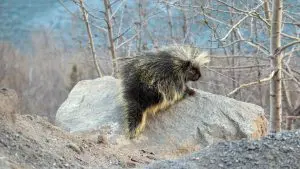
Yes, porcupines are Rodents. The North American porcupine is a large rodent that can be found in North America. It is second in size only to the North American beaver and can weigh up to 20 pounds (9 kilograms) and grow to be 2 to 3 feet (60 to 90 centimetres) long.

The Unique Characteristics of Porcupines

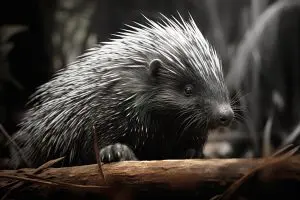
Porcupines distinguish themselves within the rodent family through their most notable feature: their quills. These are actually modified hairs coated with thick plates of keratin that are sharp enough to penetrate flesh and can be a formidable defense mechanism against predators. When threatened, porcupines raise these quills as a warning and, if necessary, will back into predators to protect themselves. Despite a common misconception, porcupines cannot “shoot” their quills; contact is required for the quills to detach.

Different Species of Porcupines

There are around 29 species of porcupines divided into two main families: the Old World porcupines of the family Hystricidae and the New World porcupines of the family Erethizontidae. Old World porcupines are generally larger, live on the ground in the forests of Europe, Asia, and Africa, and have quills that are grouped in clusters. New World porcupines, found in North and South America, are smaller, typically arboreal (tree-dwelling), and have quills that are interspersed with bristles and underfur.

The Diet and Habitat of Porcupines

Porcupines are mostly nocturnal and have a diet consisting largely of leaves, herbs, twigs, and green plants. In the winter, they may chew on bark. They are found in various habitats, including forests, deserts, and grasslands. Their need for substantial vegetation influences their habitat choices, often leading them to inhabit areas where they can cause damage to trees and other vegetation, creating conflicts with human activities.

The Role of Quills in Porcupine Defense

The quills of a porcupine are its main defense mechanism. Each quill has a barbed tip which makes it difficult and painful to remove once it has embedded into another animal. The porcupine’s quills lie flat until it is threatened, at which point they stand up as a deterrent. If the threat continues, the porcupine will often back into its aggressor, driving the quills in deeper.

Managing Porcupine Pests Responsibly

In areas where human and porcupine habitats overlap, porcupines can become pests. They may damage natural timber, landscaping, and even vehicles, as they are known to gnaw on anything that has salt residue including road salt and sweaty car handles. Managing these conflicts requires responsible strategies that prioritize humane treatment, such as using fencing to protect trees and property, applying repellents, and employing live trapping followed by relocation when necessary.

Why Choose Birch Fumigators for Your Porcupine Control Needs

When dealing with porcupine issues, it’s crucial to approach the problem with expertise and sensitivity. Birch Fumigators offers humane and effective solutions for managing porcupine populations, ensuring minimal stress and harm to the animals while protecting your property. Our team is trained in the best practices of wildlife management, combining advanced techniques with a deep respect for nature to resolve conflicts efficiently. Choosing Birch Fumigators means opting for a professional, ethical approach to pest control, ensuring that your porcupine problems are handled responsibly.

Yes, porcupines are adept climbers and regularly climb trees. They use their strong claws and a prehensile tail to help them navigate and grip tree branches. Climbing trees is an essential part of their behaviour, allowing them to access food such as leaves, buds, and bark, which are significant components of their diet. Being in trees also offers them safety from some predators. Porcupines are particularly adapted to life in the trees, spending considerable time resting, foraging, and even sleeping in trees.

Porcupines defend themselves using their quills. These are sharp, barbed hairs that can easily detach and embed in the skin of any animal that comes into contact with them. When threatened, porcupines will raise their quills, making them more intimidating. They might also shake their bodies to make the quills rattle as a warning. They can strike with their tail, embedding quills in the predator if attacked.

Porcupines are known to cause significant damage to trees and vegetation due to their feeding habits. These animals primarily consume the bark of trees, a behaviour that can lead to girdling, which essentially strangles the tree and can result in the death of young trees or branches. Such damage is particularly concerning for young trees, as they are more vulnerable and less able to recover from bark loss.

In addition to bark, porcupines also feed on leaves, stems, and buds during the spring season. This diverse diet means that porcupines not only threaten the survival of individual trees but can also have broader effects on the health of entire forests. The impact is particularly pronounced in managed landscapes, such as parks and gardens, where ornamental trees are cultivated for aesthetic and ecological purposes.

The lifespan of a porcupine varies by species and environment. In the wild, North American porcupines can live for about 5 to 7 years, but some have been known to live up to 15 years. Factors affecting their lifespan include predation, habitat conditions, and food availability. In captivity, where they are safe from predators and have a consistent food supply, porcupines can live longer, with lifespans extending up to 20 years or more.

There is limited specific information on scents that porcupines dislike. However, like many wild animals, porcupines will likely be deterred by solid and unfamiliar odours. Natural repellents such as garlic, pepper sprays, or predator urine (like coyote urine) are sometimes used to prevent various wildlife, and these might also be effective with porcupines. It’s important to note that using such deterrents should be done responsibly and with consideration for the animals’ and the environment’s safety and well-being.

Despite their formidable quills, porcupines do have natural predators. Predators like mountain lions, fishers (a type of North American marten), wolves, and great horned owls have been known to prey on porcupines. These predators have developed strategies to attack porcupines by flipping them over to expose their vulnerable underbellies, which are not covered in quills. The angler, in particular, is known for its effectiveness in hunting porcupines.

Porcupines are not naturally aggressive animals. They are typically passive creatures that prefer to avoid confrontations. Their primary defense mechanism is their quills, which serve as a deterrent to potential predators. When threatened, a porcupine will turn its back, raise its quills, and may lash out with its tail. However, this behavior is a last resort; porcupines generally prefer to escape or hide rather than confront threats.

While porcupines are not aggressive, encounters can happen, especially in rural or wooded areas near Edmonton. It’s important to know how to respond if you come across one.

What to Do if You Encounter a Porcupine

If you encounter a porcupine, staying calm and following these guidelines can prevent any unwanted incidents:

Keep your distance: Porcupines are curious but not hostile. If one approaches, it is likely exploring or passing by. Slowly back away without turning your back on the animal. Maintain a safe distance to avoid startling it.

Do not provoke it: Sudden movements, loud noises, or attempts to scare the porcupine may be seen as a threat. Although porcupines cannot shoot their quills, they can raise and release them upon contact. Stay still or move away slowly to reduce the chance of provoking defensive behavior.

Give it an escape route: Porcupines are non-confrontational and will retreat if given the opportunity. Make sure the animal has a clear path to leave. Avoid cornering it, as this may trigger defensive actions.

Stay calm: Porcupines move slowly and are unlikely to pursue or confront you. By remaining calm and patient, you give the porcupine the chance to move away on its own.

Avoid handling: Never attempt to pick up, touch, or corner a porcupine. Even if it seems calm, handling it may cause stress and provoke defensive reactions. Quills are painful and difficult to remove if they come into contact with skin or pets.

In most cases, if you follow these steps, the porcupine will peacefully move away, and no further action will be necessary.

Porcupines are generally not aggressive towards humans but do not actively seek interactions. They are solitary animals, and while they might show curiosity, it is best to maintain a respectful distance to avoid any defensive behaviour from them.

What is the typical behaviour of porcupines around humans?

Porcupines tend to be reclusive and shy away from busy areas inhabited by humans. They spend much time alone, foraging for food and resting in hollow trees or underbrush. Their solitary nature means they naturally avoid human contact and will typically retreat if they encounter people. However, in regions where they encounter humans regularly, porcupines may become less timid, though still cautious.

Can porcupines become aggressive?

It is uncommon for porcupines to become aggressive. In most cases, their first instinct is to flee rather than fight. However, if cornered or threatened, a porcupine will defend itself using its most famous defence mechanism: quills. These quills are sharp spines that cover their backs, capable of inflicting painful injuries on any predator that gets too close.

How do porcupines react to human presence?

Porcupines may exhibit curiosity if they frequently see humans from a safe distance, such as in a park or around campsites where they might venture in search of food. Even so, they generally keep their distance. Familiarity with human presence doesn’t mean they seek interaction; it simply means they may not flee as quickly.

What should you do if you encounter a porcupine?

If you encounter a porcupine, keep your distance. Move slowly and quietly away from the animal to avoid startling it. Please do not attempt to touch or feed a porcupine, as these actions can provoke it to use its quills in self-defense. Always give porcupines plenty of space to move and escape if they choose to.

Are there any safety concerns regarding porcupines?

The primary safety concern with porcupines is their quills. People or pets that get too close can end up with quills embedded in their skin, which are painful and can lead to infections if not removed properly. Additionally, porcupines chewing on wooden structures and trees can cause property damage, particularly in rural or semi-rural areas.

How can you safely manage porcupine encounters?

To safely manage encounters with porcupines, securing food sources and garbage is advisable, which can attract them. Installing fencing or using repellents can also help keep them away from residential areas. If porcupines are frequently on your property and cause concern, it may be wise to call wildlife control professionals.

How does Birch Fumigators help with porcupine control?

Birch Fumigators specializes in humane porcupine control services that ensure the safety of both the animals and the residents. Our team is experienced in dealing with porcupine issues, from preventive measures to the safe removal and relocation of these animals. We assess each situation individually and offer solutions that minimize the risk of harm to all parties involved. Contact us today to learn more about how we can assist in managing and preventing porcupine problems on your property.

During winter, porcupines do not hibernate but may reduce their activity. They seek shelter in dens, which can be in hollow trees, rock crevices, underbrush, or fallen logs. These dens protect from the elements and predators. Porcupines maintain a relatively low activity level during the cold months, primarily feeding on the inner bark of trees, as other food sources are scarce in winter. Their ability to digest cellulose helps them survive on this diet.

Porcupines are incapable of throwing their quills. This is a common misconception. When threatened, they will bristle their quills defensively, making them more prominent. If a predator directly contacts a porcupine, the quills can detach and embed in the attacker. The quills have barbed tips, making them difficult to remove once stuck into another animal or object. This passive defence mechanism is highly effective in deterring predators.