Serving Edmonton for over 120 years

What is the lifespan of a porcupine?

What is the lifespan of a porcupine?

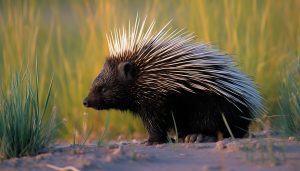
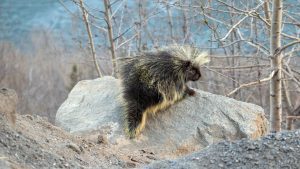
The lifespan of a porcupine varies by species and environment. In the wild, North American porcupines can live for about 5 to 7 years, but some have been known to live up to 15 years. Factors affecting their lifespan include predation, habitat conditions, and food availability. In captivity, where they are safe from predators and have a consistent food supply, porcupines can live longer, with lifespans extending up to 20 years or more.

Porcupines, fascinating rodents known for their unique quills, exhibit a lifespan that varies significantly based on their living conditions. In the wild, these animals typically live for about 15 to 18 years. This range can fluctuate depending on several factors, including the specific species of porcupine and the environmental conditions they encounter. For instance, factors such as availability of food, predation levels, and habitat stability play crucial roles in determining their lifespan in natural settings.

The North American porcupine (Erethizon dorsatum) is an example of a species that falls within this lifespan bracket. However, when porcupines are kept in captivity, their life expectancy can extend notably. In such environments, they are shielded from natural predators and benefit from a consistent supply of food, alongside regular care and medical attention. Due to these enhanced living conditions, it’s not uncommon for captive porcupines to reach their early 20s. This extension in lifespan underscores the impact of environmental factors and care on the longevity of these distinctive creatures. In summary, while porcupines in the wild live to be around 15 to 18 years old, those in captivity can live even longer, with some reaching their early 20s.

What is the lifespan of a porcupine?

Porcupines

Get rid of porcupines on your property!

Professional Pest Control Services

Don't let bugs take over - call Birch Fumigators today! Get a Free Estimate (Within the Edmonton Area). Go with the best pest control company Edmonton.

Professional Pest Control Services

Don't let bugs take over - call Birch Fumigators today! Get a Free Estimate (Within the Edmonton Area). Go with the best pest control company Edmonton.

Related FAQs

Understanding the Rodent Family

Yes, porcupines are Rodents. The North American porcupine is a large rodent that can be found in North America. It is second in size only to the North American beaver and can weigh up to 20 pounds (9 kilograms) and grow to be 2 to 3 feet (60 to 90 centimetres) long.

The Unique Characteristics of Porcupines

Porcupines distinguish themselves within the rodent family through their most notable feature: their quills. These are actually modified hairs coated with thick plates of keratin that are sharp enough to penetrate flesh and can be a formidable defense mechanism against predators. When threatened, porcupines raise these quills as a warning and, if necessary, will back into predators to protect themselves. Despite a common misconception, porcupines cannot “shoot” their quills; contact is required for the quills to detach.

Different Species of Porcupines

There are around 29 species of porcupines divided into two main families: the Old World porcupines of the family Hystricidae and the New World porcupines of the family Erethizontidae. Old World porcupines are generally larger, live on the ground in the forests of Europe, Asia, and Africa, and have quills that are grouped in clusters. New World porcupines, found in North and South America, are smaller, typically arboreal (tree-dwelling), and have quills that are interspersed with bristles and underfur.

The Diet and Habitat of Porcupines

Porcupines are mostly nocturnal and have a diet consisting largely of leaves, herbs, twigs, and green plants. In the winter, they may chew on bark. They are found in various habitats, including forests, deserts, and grasslands. Their need for substantial vegetation influences their habitat choices, often leading them to inhabit areas where they can cause damage to trees and other vegetation, creating conflicts with human activities.

The Role of Quills in Porcupine Defense

The quills of a porcupine are its main defense mechanism. Each quill has a barbed tip which makes it difficult and painful to remove once it has embedded into another animal. The porcupine’s quills lie flat until it is threatened, at which point they stand up as a deterrent. If the threat continues, the porcupine will often back into its aggressor, driving the quills in deeper.

Managing Porcupine Pests Responsibly

In areas where human and porcupine habitats overlap, porcupines can become pests. They may damage natural timber, landscaping, and even vehicles, as they are known to gnaw on anything that has salt residue including road salt and sweaty car handles. Managing these conflicts requires responsible strategies that prioritize humane treatment, such as using fencing to protect trees and property, applying repellents, and employing live trapping followed by relocation when necessary.

Why Choose Birch Fumigators for Your Porcupine Control Needs

When dealing with porcupine issues, it’s crucial to approach the problem with expertise and sensitivity. Birch Fumigators offers humane and effective solutions for managing porcupine populations, ensuring minimal stress and harm to the animals while protecting your property. Our team is trained in the best practices of wildlife management, combining advanced techniques with a deep respect for nature to resolve conflicts efficiently. Choosing Birch Fumigators means opting for a professional, ethical approach to pest control, ensuring that your porcupine problems are handled responsibly.

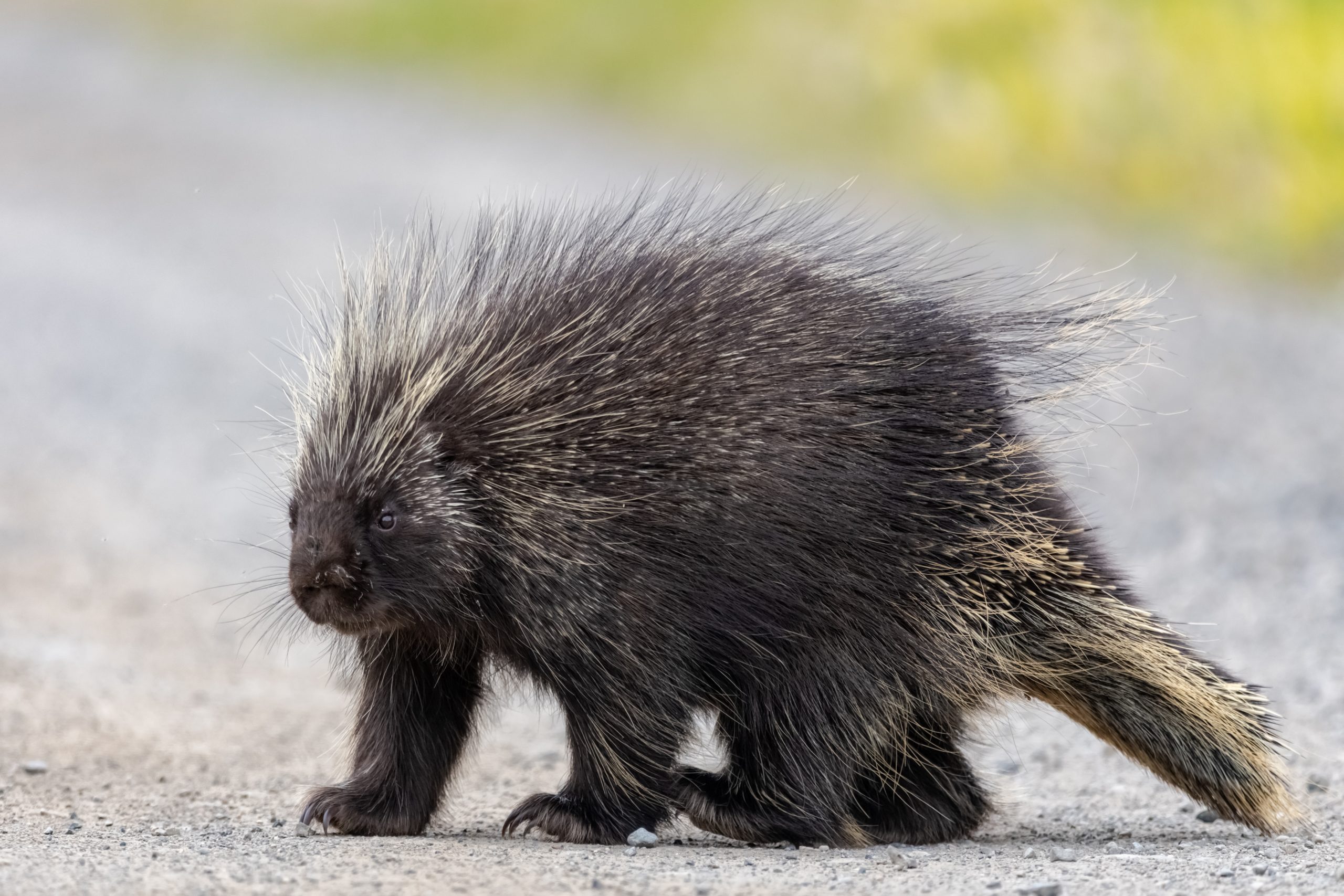
Yes, porcupines are adept climbers and regularly climb trees. They use their strong claws and a prehensile tail to help them navigate and grip tree branches. Climbing trees is an essential part of their behaviour, allowing them to access food such as leaves, buds, and bark, which are significant components of their diet. Being in trees also offers them safety from some predators. Porcupines are particularly adapted to life in the trees, spending considerable time resting, foraging, and even sleeping in trees.

Porcupines defend themselves using their quills. These are sharp, barbed hairs that can easily detach and embed in the skin of any animal that comes into contact with them. When threatened, porcupines will raise their quills, making them more intimidating. They might also shake their bodies to make the quills rattle as a warning. They can strike with their tail, embedding quills in the predator if attacked.

Porcupines are known to cause significant damage to trees and vegetation due to their feeding habits. These animals primarily consume the bark of trees, a behaviour that can lead to girdling, which essentially strangles the tree and can result in the death of young trees or branches. Such damage is particularly concerning for young trees, as they are more vulnerable and less able to recover from bark loss.

In addition to bark, porcupines also feed on leaves, stems, and buds during the spring season. This diverse diet means that porcupines not only threaten the survival of individual trees but can also have broader effects on the health of entire forests. The impact is particularly pronounced in managed landscapes, such as parks and gardens, where ornamental trees are cultivated for aesthetic and ecological purposes.

There is limited specific information on scents that porcupines dislike. However, like many wild animals, porcupines will likely be deterred by solid and unfamiliar odours. Natural repellents such as garlic, pepper sprays, or predator urine (like coyote urine) are sometimes used to prevent various wildlife, and these might also be effective with porcupines. It’s important to note that using such deterrents should be done responsibly and with consideration for the animals’ and the environment’s safety and well-being.

Despite their formidable quills, porcupines do have natural predators. Predators like mountain lions, fishers (a type of North American marten), wolves, and great horned owls have been known to prey on porcupines. These predators have developed strategies to attack porcupines by flipping them over to expose their vulnerable underbellies, which are not covered in quills. The angler, in particular, is known for its effectiveness in hunting porcupines.

BIRCH FUMIGATORS

est. 1900

Don't Let Bugs Get the Best of You

BIRCH FUMIGATORS

est. 1900

Don't Let Bugs Get the Best of You