
Have you ever noticed that some years seem much worse for pests than others? One summer, there may be only a few mosquitoes in your yard. Then, suddenly, the next year, they are everywhere. The same thing can happen with tent caterpillars, mice, wasps, and other common Alberta pests.
This is not your imagination. Many pest populations rise and fall in cycles over time. Some pests stay quiet for years before their numbers suddenly explode. Weather, food sources, and survival conditions all play a major role in how large pest populations become.
Understanding these cycles can help homeowners prepare before pest problems get out of control. In Alberta, changing weather patterns and seasonal conditions can quickly create ideal conditions for pests to thrive. Knowing what causes these population surges can help you take action earlier and protect your home and property.
Why Pest Populations Change
Pests are influenced by their environment. A single warm winter or wet spring can create ideal conditions for rapid population growth. When more pests survive winter, there are more of them ready to reproduce once temperatures rise again.
Many pests also reproduce very quickly. A small population in spring can become a large infestation by mid-summer if conditions remain favourable. This is why some pest outbreaks can seem to happen almost overnight.
Several environmental factors affect pest cycles, including:
- Mild winters
- Wet spring weather
- Hot summers
- Increased food sources
- Fewer natural predators
- Urban expansion and construction
When several of these conditions happen at the same time, pest populations can surge across Alberta. Homeowners may suddenly notice more insects around their yards, trees, and homes. In some cases, entire neighbourhoods can experience the same pest problems during outbreak years.
Alberta’s Tent Caterpillar Cycles
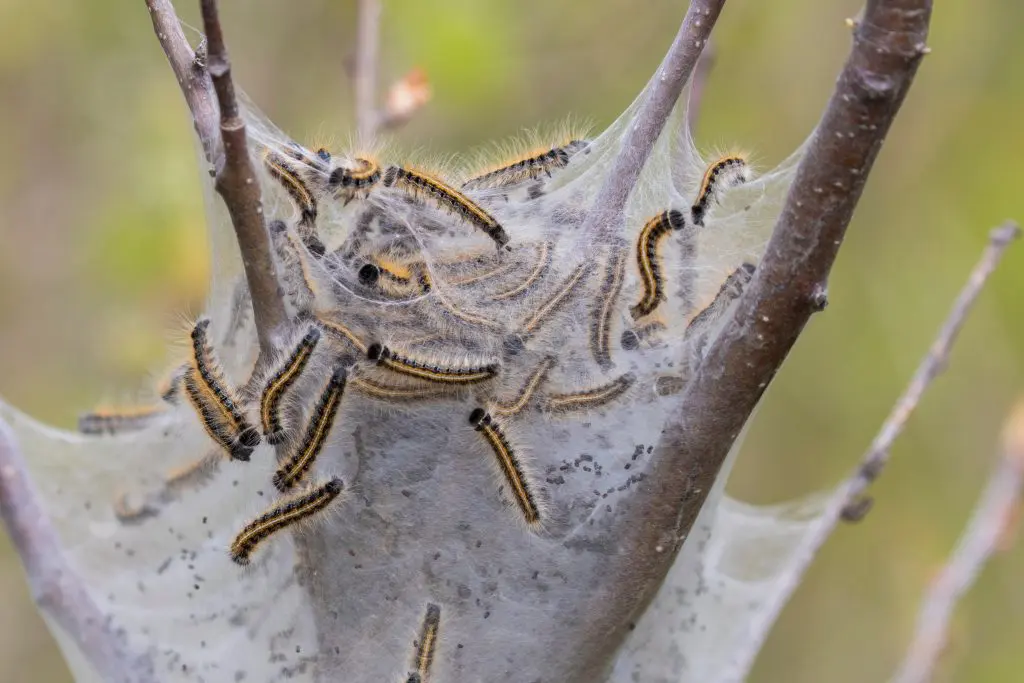
One of the best examples in Alberta is the forest tent caterpillar. These pests are known for their large outbreaks every few years. During outbreak seasons, trees can become covered with caterpillars feeding on leaves and spreading across entire communities.
Homeowners often notice large silk nests, damaged trees, and caterpillars crawling over sidewalks, fences, and vehicles. The activity can feel overwhelming because the population rises so quickly. In many cases, people may not have seen significant tent caterpillar activity for years before a sudden outbreak occurs.
Tent caterpillar populations rise and fall naturally in cycles. Warm weather and healthy food supplies help populations grow rapidly over time. Once the population becomes large enough, entire areas may experience heavy infestations during spring and early summer.
Some common signs of a tent caterpillar outbreak include:
- Large silk nests in trees
- Leaves disappearing from branches
- Caterpillars crawling on homes, sidewalks, and vehicles
- Increased activity during spring and early summer
While healthy trees can often recover from a single infestation, repeated outbreaks can weaken them over time. Trees under stress become more vulnerable to disease, drought, and additional pest problems. This is why early treatment and monitoring are important during active outbreak years.
Why Mild Winters Matter
Cold Alberta winters normally help control pest populations naturally. Long periods of freezing temperatures kill off many insects before spring arrives. Harsh winter weather acts as a natural population control system for many common pests.
But when winters are milder than usual, more pests survive until spring. Even a small increase in survival rates can lead to a noticeable rise in pest activity later in the year. This is especially true for insects that reproduce quickly once temperatures warm up.
Mild winters can contribute to:
- Larger mosquito populations
- Increased wasp activity
- More mice entering homes
- Higher survival rates for tree pests
When combined with a warm spring, these conditions can lead to rapid population growth. Homeowners may start noticing pests much earlier in the season than usual. In some years, pest activity may continue longer into fall as well.
Mosquitoes Can Explode After Wet Weather
Mosquito populations are strongly connected to rainfall and standing water. Wet springs and heavy summer rain create ideal breeding conditions for mosquitoes throughout Alberta. Even small amounts of standing water can support mosquito larvae.
Warm temperatures also speed up the mosquito life cycle. This allows mosquitoes to reproduce faster and increase their numbers quickly during hot weather. A rainy and warm season can lead to a major spike in mosquito activity across entire communities.
Properties with bird baths, clogged gutters, ponds, or poorly drained yards are especially vulnerable. Reducing standing water is one of the best ways homeowners can help lower mosquito activity around their homes. Early prevention can make outdoor spaces much more comfortable during peak mosquito season.
Mice Activity Can Also Increase in Cycles
Mice populations can rise quickly when food and shelter are easy to find. Outdoor conditions often push mice toward homes, garages, sheds, and commercial buildings. Once temperatures begin dropping, mice start searching for warm indoor spaces where they can survive winter.
Construction and urban growth can also disturb nesting areas and force mice into nearby neighbourhoods. This is why some communities suddenly notice more rodent activity after nearby development projects begin. Population increases may also happen after mild winters that allow more mice to survive outdoors.
Mice reproduce very quickly once they establish themselves indoors. A small problem can grow into a much larger infestation within a short period of time. Early prevention and sealing entry points are some of the most effective ways to reduce the risk of infestations.
Why Some Years Feel Worse Than Others
Pest cycles can make one year feel dramatically different from the last. In some seasons, several pest populations increase at the same time. This can create the feeling that pests are suddenly everywhere.
For example, a mild winter may help mice survive, while a wet spring increases mosquito breeding areas. A hot summer can also lead to more active wasps later in the season. When these conditions happen together, pest activity can rise sharply across Alberta.
Weather patterns also affect how long pest seasons last. Earlier springs and warmer falls can extend activity for many insects and wildlife pests. This means homeowners may face pest problems for longer periods in certain years.
Can Homeowners Prevent Pest Surges?
Homeowners cannot control natural pest cycles, but they can reduce the risk of infestations around their property. Prevention is often much easier and less expensive than dealing with a large pest problem later. Small maintenance steps can make a major difference over time.
Some helpful prevention strategies include:
- Sealing cracks and entry points
- Removing standing water
- Keeping food sealed properly
- Trimming trees and shrubs away from the home
- Scheduling regular pest inspections
Regular inspections can help catch early warning signs before infestations become severe. Many pest problems start small and grow quietly over time. Addressing issues early often prevents more expensive damage later.
Staying Ahead of Alberta Pest Cycles
Pest populations naturally rise and fall over time. Some years will always be worse than others because weather and environmental conditions constantly change. Understanding these cycles can help homeowners stay prepared and respond quickly when pest activity increases.
In Alberta, mild winters, wet springs, and warm summers can all contribute to larger pest populations. Paying attention to local pest trends can help homeowners identify potential problems before they become serious infestations. Staying proactive is one of the best ways to protect your home, yard, and property throughout the year.
If you notice increased pest activity around your property, a professional pest control company like Birch Fumigators can help identify the problem and recommend the right treatment plan. Early action is often the best way to keep seasonal pest outbreaks under control.