
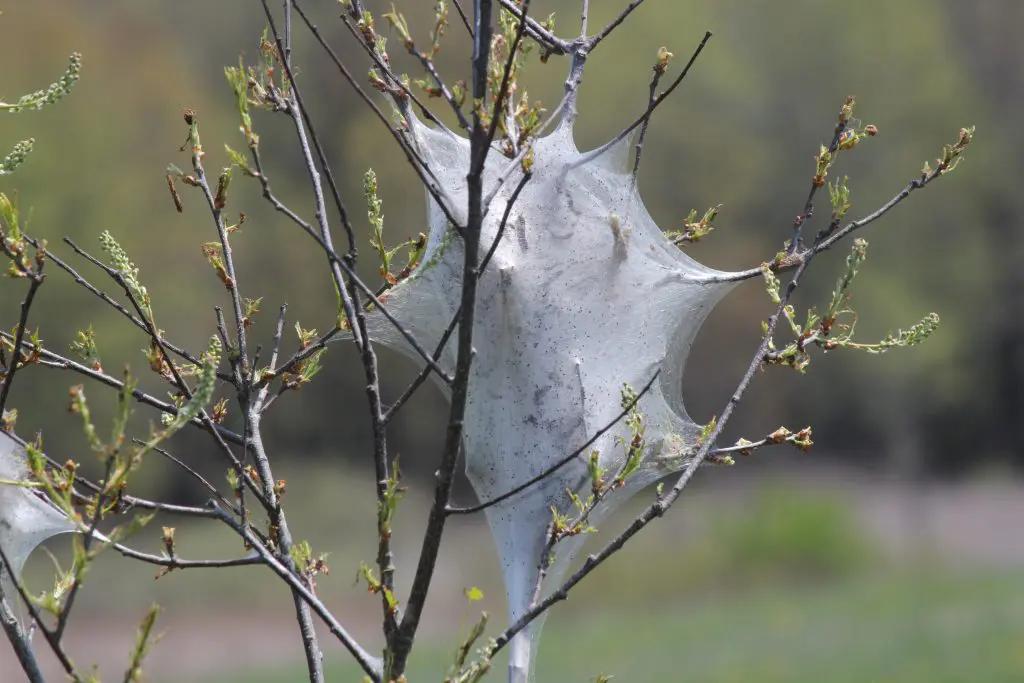
Increased Tent Caterpillar Activity Expected Across Alberta
Alberta is expected to experience a strong tent caterpillar season this year, with infestations appearing earlier and in greater numbers than usual. Tent caterpillar populations rise in cycles, and favourable weather conditions can allow them to spread rapidly. Once established, these pests can cause significant defoliation and visible damage to trees across residential and commercial properties. Early awareness is essential for reducing long-term impact.
Tent caterpillars are most active in spring and early summer, when larvae feed aggressively on leaves. Without timely intervention, infestations can expand quickly and affect neighbouring trees. Monitoring trees early in the season allows for faster and more effective control.
What Are Tent Caterpillars and Why They Are a Problem in Alberta
Tent caterpillars are the larval stage of moths and are known for building silky web tents in tree branches. These tents provide shelter while caterpillars feed and grow. While a single nest may appear harmless, multiple nests can result in severe defoliation.
Repeated defoliation weakens trees and increases their susceptibility to disease, drought stress, and other pests. Over time, affected trees may experience reduced growth or permanent damage. Managing tent caterpillars early helps preserve tree health and appearance.
Trees Most Commonly Affected by Tent Caterpillars
Tent caterpillars commonly target fruit trees and ornamental species found throughout Alberta landscapes. Trees such as apple, cherry, and poplar are especially vulnerable during outbreak years. Infestations often begin in a single tree and spread rapidly if left untreated.
Homeowners often notice leaf loss before identifying the cause. By the time damage is visible, caterpillar populations may already be well established. Early inspections help limit the spread and severity of infestations.
Signs of a Tent Caterpillar Infestation
Identifying tent caterpillars early improves treatment success and reduces damage. Spring is the most important time to watch for signs of activity. Common indicators include:
-
Silky web tents in branch forks
-
Groups of caterpillars feeding on leaves
-
Rapid thinning or loss of foliage
-
Increased caterpillar movement on trunks and nearby surfaces
Why Alberta Is Seeing Bigger Tent Caterpillar Outbreaks
Tent caterpillar populations naturally fluctuate, with large outbreaks occurring every few years. Mild winters and warm springs improve survival rates and lead to higher populations. Reduced natural predators can also contribute to more severe infestations.
During outbreak years, tent caterpillars spread faster and affect more trees across entire neighbourhoods. This makes professional monitoring and early treatment especially important for protecting trees.
Tree Spraying as an Effective Tent Caterpillar Control Method
Professional tree spraying services are one of the most effective ways to manage tent caterpillar infestations. Targeted spraying disrupts caterpillar feeding while minimizing stress to trees. When applied early, treatments help prevent widespread defoliation.
Tree spraying is most effective when timed correctly during the caterpillar life cycle. Professional technicians ensure treatments are applied safely and effectively, protecting both trees and surrounding landscapes.
Protecting Your Trees With Birch Fumigators
With Alberta facing a significant tent caterpillar season, early action is critical to protecting your trees. Birch Fumigators offers professional inspections and tree spraying services designed to manage tent caterpillar infestations before serious damage occurs. Their experienced team understands local pest cycles and applies targeted solutions to support long-term tree health.
If you are noticing tents or leaf damage on your trees, now is the time to act. Contact Birch Fumigators today to schedule an inspection or learn more about effective tent caterpillar control options.