
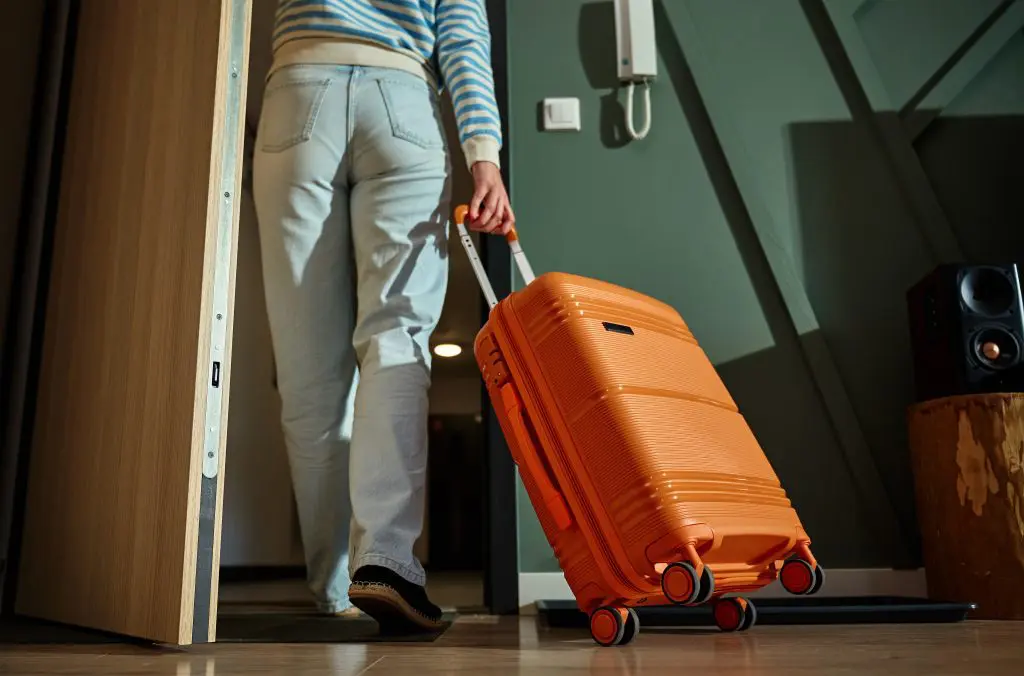
Bed bugs are excellent hitchhikers. They don’t fly or jump, but they can travel from one place to another by hiding in bags, clothing, furniture, or luggage. For many Albertans, travel is one of the most common ways to accidentally bring bed bugs into the home. These pests are small, hard to spot, and easy to overlook until you have an infestation. The good news is that with a few simple precautions, you can lower your risk significantly.
Whether you’re planning a vacation, shopping for used furniture, or returning from a business trip, these steps will help keep your home bed bug-free.
Where Bed Bugs Are Most Commonly Found
Bed bugs are found in places with high turnover, where lots of people come and go. Hotels, public transit, rental units, and second-hand stores are common hotspots. Even clean, high-end locations can have them because bed bugs are brought in by people, not poor sanitation.
They often hide in:
-
Mattress seams and box springs
-
Headboards and bed frames
-
Upholstered chairs and sofas
-
Luggage racks and curtains
-
Cracks in walls, floors, or furniture
If you’re staying in a hotel or rental, always check the sleeping area first. Look for small reddish-brown bugs, dark stains, or shed skins around the bed.
How to Check for Bed Bugs When Travelling
Taking a few minutes to inspect your room before settling in can save you a major headache later. Even a quick scan of key areas can reveal early warning signs. Being cautious at the start of your trip helps prevent bringing bugs home.
When arriving at a hotel or rental:
-
Inspect the mattress and box spring, especially along the seams
-
Look behind the headboard and under the bed using a flashlight or your phone
-
Check furniture, especially upholstered chairs and couch cushions
-
Use the luggage rack, and avoid placing bags on beds or the floor
If you see signs of bed bugs, ask for a new room in a different part of the building or find alternative accommodation.
What to Do After Travelling
Bed bugs can hide in luggage, clothing, and personal items. Once home, act quickly to reduce the risk of spreading them inside your house. A simple post-trip routine can make all the difference.
After returning from a trip:
-
Unpack directly onto a hard surface, not carpet or bedding
-
Wash all clothing in hot water and dry on high heat, even if unworn
-
Vacuum luggage, both inside and out, and wipe down hard surfaces
-
Store suitcases away from sleeping areas, such as in a garage or closet
Heat is one of the most effective ways to kill bed bugs, so laundering clothes immediately is an important step.
What to Avoid When Buying Second-Hand Items
Used furniture and clothing are another common way bed bugs enter homes. These items may look clean, but even one hidden bed bug can start a serious issue. Being selective and cautious with used goods is important for prevention.
Here’s how to stay safe:
-
Avoid taking mattresses, box springs, or couches from the curb
-
Inspect seams, folds, and zippers before bringing anything inside
-
Wash or sanitize items thoroughly before use
-
Freeze or heat-treat small items when possible, or isolate them before bringing indoors
If you’re unsure about an item, keep it sealed in a plastic bag or container until it can be safely inspected or treated.
Don’t Let Bed Bugs Travel with You
Bed bugs are hard to spot and even harder to remove once they make it into your home. By checking your space while travelling and being careful with second-hand items, you can lower your risk. These simple actions can help protect your home and your peace of mind. If you think you may have brought them back, acting quickly is the best way to prevent an infestation.
Book a bed bug inspection with Birch Fumigators and let our team help you stay pest-free.