
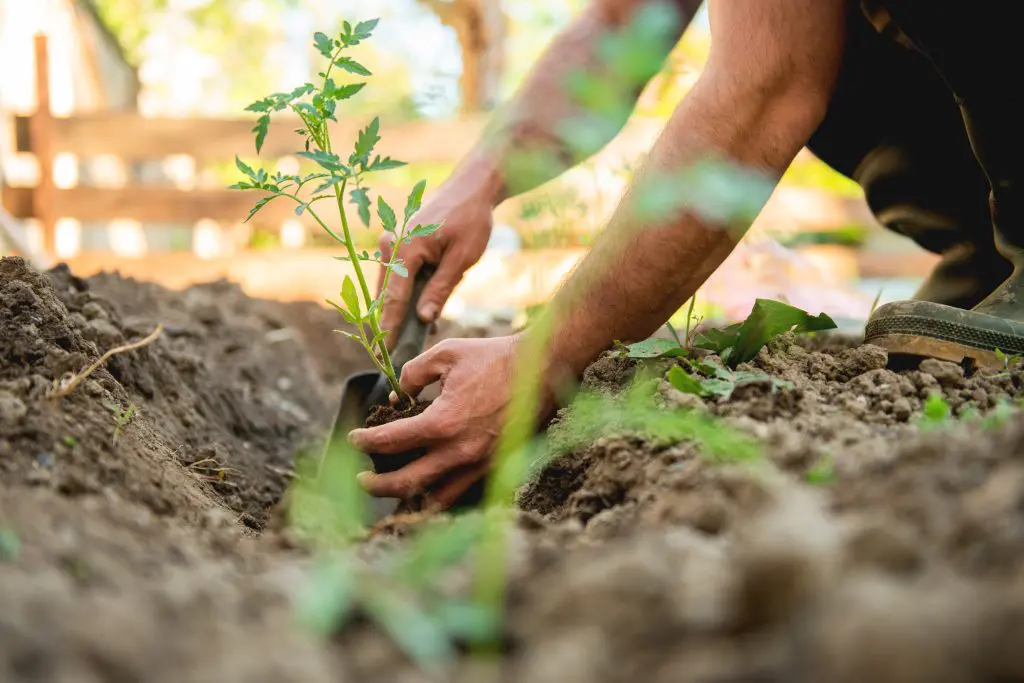
A healthy garden can make any yard look beautiful during spring and summer. But gardens across Alberta attract a wide range of pests. Some insects feed on leaves and flowers, while others damage trees, vegetables, and shrubs over time.
Many garden pests become more active during warm weather. Mild winters and wet spring conditions can also lead to larger pest populations from year to year. Knowing what to watch for can help homeowners protect their yards before small problems turn into larger infestations.
Sucking Insects and Sap-Feeding Pests
Aphids Can Spread Quickly Through Gardens
Aphids are among the most common garden pests found in Alberta. These tiny insects feed on plant sap and often gather underneath leaves or around new plant growth. They reproduce very quickly, which means a small aphid problem can become severe within a short period of time.
Many homeowners first notice aphids when leaves begin curling or turning yellow. Aphids also leave behind a sticky substance called honeydew that can attract ants and other insects. Trees, flowers, vegetables, and shrubs can all be affected by large aphid populations. Some species are particularly attracted to rose bushes, fruit trees, and new vegetable shoots.
Early treatment is important because aphids can weaken plants over time. Healthy trees and shrubs are often more resistant to damage when pest problems are controlled early in the season. Regular inspections and proper maintenance can help reduce the spread of these pests before they become difficult to manage.
Scale Insects and Mealybugs
Scale insects and mealybugs are related sucking insects that can cause significant plant damage. Scale insects attach firmly to stems, branches, and leaves, making them harder to control than mobile pests. They appear as small bumps or waxy coverings on plant tissue and can go unnoticed until infestations become severe.
Mealybugs are soft-bodied insects covered in a white, cottony substance. They prefer warm indoor conditions but can also infest outdoor plants during warm months. Both pests feed on plant sap and can weaken ornamental trees, shrubs, and houseplants over time.
Whiteflies Damage Foliage Year-Round
Whiteflies are tiny, winged insects that gather on the undersides of leaves. When a plant is disturbed, they scatter like white powder across the leaf surface. These pests feed on plant sap and can cause yellowing, wilting, and stunted growth.
In Alberta, whiteflies can thrive on houseplants brought outdoors during summer and may damage outdoor garden plants during warm weather. Like aphids, they produce honeydew and can attract ants and other pests.
Chewing Insects and Defoliators
Tent Caterpillars Can Damage Trees and Shrubs
Forest tent caterpillars are another major concern in Alberta gardens and yards. These pests are known for their large population cycles that happen every few years. During outbreak seasons, caterpillars can strip leaves from trees very quickly.
Homeowners often notice silk nests, damaged branches, and caterpillars crawling across sidewalks, fences, and outdoor furniture. Trees that lose large amounts of foliage may become stressed and more vulnerable to disease or additional pest problems later in the season. Alberta homeowners dealing with repeated outbreaks often begin noticing long-term damage to ornamental and mature trees.
Some common signs of tent caterpillar activity include:
- Silk nests in trees
- Missing leaves on branches
- Caterpillars gathering on trunks and fences
- Increased activity during spring and early summer
Forest tent caterpillars can become especially active after mild winters and warm spring conditions. Early treatment and professional tree spraying can often help reduce damage before infestations spread further throughout the property.
Japanese Beetles Feed on Foliage and Flowers
Japanese beetles are metallic green and copper-colored insects that skeletonize plant leaves, creating a lace-like appearance. These beetles are highly destructive to a wide variety of plants, including roses, fruit trees, and ornamental shrubs.
Adult Japanese beetles are active during mid-summer and feed during daytime hours. They are attracted to plants already stressed by heat or drought. The larvae (white grubs) develop in lawn soil and can damage grass roots, though adults cause the most visible damage in gardens.
Sawfly Larvae Damage Leaves and Berries
Sawflies are often mistaken for wasps or bees due to their appearance. The larvae, however, are the destructive stage. Different sawfly species target different plants—some prefer roses, others attack berry bushes or evergreens.
Sawfly larvae appear as small caterpillar-like creatures and can cause severe damage to foliage. Some species produce sticky, slimy residue on damaged leaves. Multiple generations can occur in a single season during warm, wet periods.
Spider Mites and Related Pests
Spider Mites Thrive During Hot and Dry Weather
Spider mites are extremely small pests that are often difficult to see without close inspection. These pests become especially active during hot and dry weather conditions. They feed on plant tissue and can quickly damage leaves, flowers, and ornamental shrubs.
Plants affected by spider mites may develop yellow spots or a dusty appearance. In severe infestations, leaves may dry out and fall off completely. Fine webbing may also appear between leaves and stems as populations grow larger. Spider mites can quickly spread from plant to plant and thrive on both outdoor gardens and indoor houseplants.
Dry summers can create ideal conditions for spider mites across Alberta gardens. Regular inspections and proper plant care can help catch infestations before they spread throughout the yard. Healthy watering habits and seasonal tree maintenance can also help reduce plant stress during periods of extreme heat.
Flying Insects and Outdoor Pests
Mosquitoes Often Gather Around Gardens
Many gardens create the perfect environment for mosquitoes. Dense vegetation, shaded areas, and standing water all attract mosquito activity during warm weather. Even small amounts of water in planters, bird baths, or clogged gutters can become breeding areas.
Mosquitoes are not only annoying during summer evenings. Large mosquito populations can make outdoor spaces uncomfortable for homeowners and guests throughout the season. Wet springs and heavy rainfall can make mosquito problems even worse in some years.
Properties with thick vegetation and poor drainage often experience heavier mosquito activity during summer. Regular removal of standing water, proper yard maintenance, and targeted mosquito treatments can help reduce mosquito populations around patios, gardens, and outdoor living areas.
Wasps Become More Aggressive Later in Summer
Wasps are common around Alberta gardens, especially during late summer and early fall. Flowering plants, fruit trees, outdoor food, and sugary drinks often attract wasps into yards and outdoor gathering spaces. Some species also build nests near roofs, sheds, decks, and trees.
While wasps can help control some insects naturally, large populations can become dangerous for homeowners. Wasps tend to become more aggressive as colonies grow larger later in the season. This increases the risk of painful stings around outdoor living areas.
Some signs of a growing wasp problem include:
- Increased wasp activity near trees or gardens
- Visible nests under decks, soffits, or rooflines
- Wasps gathering near garbage bins or outdoor food
- Aggressive behavior during late summer
Larger nests should be handled carefully because disturbing them can quickly lead to aggressive swarming behavior. Homeowners experiencing repeated nesting problems around their property may benefit from professional wasp control treatments during peak summer activity.
Flies and Fruit Flies Multiply Rapidly
Various fly species can infest gardens and outdoor spaces, particularly around composting areas, overripe fruit, or decaying vegetation. Fruit flies and other small fly species multiply rapidly and can contaminate garden vegetables and stored produce.
Proper composting techniques, removal of fallen fruit, and maintaining clean outdoor spaces can help reduce fly populations. Sealed compost bins and regular refuse management are essential preventive measures.
Root and Soil-Dwelling Pests
White Grubs Damage Grass Roots
White grubs are the larval stage of beetles, including Japanese beetles and June bugs. These C-shaped, cream-colored larvae develop in lawn soil and feed on grass roots. Affected areas of turf will feel spongy and can be easily pulled up, revealing grubs beneath the surface.
Grub damage is most noticeable in late summer and early fall. Birds, skunks, and other wildlife may dig up lawns searching for grubs, causing additional damage. Monitoring and controlling grubs during their active feeding period is important for maintaining healthy lawn areas.
Cutworms Sever Seedlings and Plants
Cutworms are the larvae of nocturnal moths and typically hide in soil during the day. They emerge at night to feed, often cutting off seedlings and young plants at ground level. This can devastate new plantings in vegetable gardens.
Cutworms are particularly problematic in spring when young plants are tender and vulnerable. Physical barriers like collars around plant stems or diatomaceous earth around garden beds can provide protection.
Disease-Carrying and Nuisance Pests
Leaf-Eating Beetles Damage Vegetable Crops
Various beetle species feed on vegetable garden crops, including flea beetles on brassicas and potato beetles on nightshades. These beetles can cause significant damage to plant foliage, reducing yields and plant vigor.
Flea beetles are particularly problematic in spring, creating countless small holes in young leaves. Row covers and insecticidal treatments can help protect vulnerable crops during establishment.
Grasshoppers and Locusts Consume Large Amounts of Vegetation
During outbreak years, grasshoppers and locusts can cause extensive damage to gardens and landscaping. These chewing insects consume large amounts of foliage and can move through areas in swarms, stripping vegetation rapidly.
Grasshoppers are most active during hot, dry summers. Control measures include removing weeds and grass around garden perimeters and treating high-population areas during outbreaks.
Prevention and Management Strategies
Healthy Landscaping Helps Reduce Pest Problems
Well-maintained yards are often less attractive to pests. Overgrown trees, excess moisture, and neglected landscaping can create ideal hiding and breeding areas for insects. Regular maintenance helps improve airflow and reduce pest-friendly conditions around the property.
Tree spraying can also help protect ornamental trees and shrubs from damaging insects. Preventive treatments are often easier and more effective than trying to manage severe infestations after they spread. Healthy trees are better able to recover from seasonal pest pressure and changing weather conditions.
Integrated Pest Management Approach
Rather than relying on a single control method, combining multiple strategies is most effective. This integrated approach includes cultural practices, physical barriers, monitoring, and targeted treatments when necessary.
Some helpful prevention steps include:
- Removing standing water
- Trimming overgrown branches
- Monitoring trees regularly for damage
- Keeping gardens clean and maintained
- Removing debris and fallen leaves
- Spacing plants for good air circulation
- Choosing pest-resistant plant varieties
- Scheduling seasonal inspections when needed
- Using beneficial insects to control pests
- Practicing proper composting techniques
When to Seek Professional Help
Not all pest problems can be managed through DIY methods alone. Professional pest control specialists have access to more targeted treatments and expertise in identifying specific pest species. Severe infestations, recurring problems, or pests near the home’s foundation often require professional assessment.
Protecting Your Alberta Garden Throughout the Season
Garden pests are a common part of life in Alberta, especially during the warm spring and summer months. Some pests arrive quietly, while others appear in large numbers during outbreak years. The variety of pests affecting Alberta gardens means that no single solution works for all situations.
Staying proactive with monitoring, maintenance, and early treatment can help protect your plants, trees, and outdoor spaces before problems become severe. Understanding which pests are most common in your area and learning to identify them early provides the best foundation for successful pest management.
Professional pest control and tree spraying services can help homeowners manage infestations safely and effectively. Homeowners who notice increased pest activity around their property should contact a local pest management specialist to discuss treatment options and seasonal prevention strategies. Early action is often the best way to avoid larger pest problems later in the season.