Serving Edmonton for over 120 years

Clover Mites

Identification

Size: 0.75–1 mm long
Color: Reddish-brown
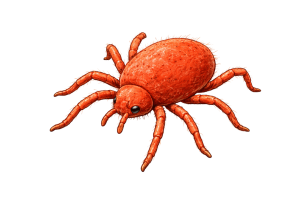
Description: Clover mites are tiny, red-brown pests that are often found on exterior walls and around windows. They feed on grasses and plants but can enter homes in large numbers. They do not bite, but they can be a nuisance indoors.

Clover mites are very small arachnids that commonly live outdoors in lawns, gardens, and around building foundations. They feed on grasses, weeds, and other plants, especially in well-fertilized areas. During cooler seasons like spring and fall, their populations can increase rapidly.

These mites often move from outdoor areas onto building exteriors, where they gather on sunny walls, windowsills, and doors. From there, they can enter homes through small cracks and openings. While they do not cause structural damage, they can become a nuisance when they appear indoors in large numbers.

Clover mites do not bite humans or pets, but they can leave behind red stains if crushed. Their presence indoors is usually temporary, but repeated invasions can occur if outdoor populations are not managed.

Clover mites are extremely small and often appear as tiny moving red dots. They are most noticeable when they gather in large numbers on light-colored surfaces.

Look closely near windows, doors, and exterior walls for clusters of slow-moving mites. When crushed, they leave a reddish stain, which is a key identifying feature.

  • Tiny red or reddish-brown moving dots
  • Found on windowsills, walls, and siding
  • Large numbers gathering in sunny areas
  • Leave red stains when crushed
  • Often seen near entry points into buildings

Clover mite activity is usually noticed when large numbers appear on exterior walls or inside near windows. They may gather in clusters, especially in sunny areas.

Indoors, you may see them crawling on windowsills, walls, or curtains. Red stains on surfaces from crushed mites are also a common sign of their presence.

Reducing vegetation near the foundation of your home can help limit clover mite populations. Keep grass, weeds, and plants trimmed back from exterior walls.

Sealing cracks around windows, doors, and foundations can help prevent them from entering indoors. Creating a barrier of gravel or mulch around the home can also reduce movement from lawns to structures.

For recurring or heavy infestations, professional pest control services can help manage populations and prevent future entry.

BIRCH FUMIGATORS

est. 1900

Don't Let Bugs Get the Best of You

BIRCH FUMIGATORS

est. 1900

Don't Let Bugs Get the Best of You