Serving Edmonton for over 120 years

Carpet Beetle

Identification

Size: Carpet beetles are small insects, typically measuring about 2 to 5 millimetres in length.
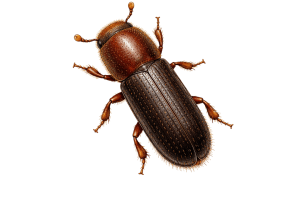
Color: Carpet beetles vary in colour depending on the species but are often black, brown, or mottled with patches of white, yellow, and orange scales on their bodies.
Description: Carpet beetles are small household pests known for their destructive larvae, which feed on natural fibres like wool, silk, and leather. Adults typically live outdoors, feeding on pollen, but they often enter homes to lay eggs. Once hatched, the larvae hide in dark corners, carpets, and furniture, feeding until they mature. As they develop, carpet beetles can cause noticeable damage to fabrics and stored items before completing their life cycle.

Carpet beetles, belonging to the family Dermestidae, are common household pests found across Canada, including Edmonton. Adult carpet beetles are small, oval-shaped insects that can appear black, brown, or speckled with a mix of white, yellow, and orange scales, depending on the species. While the adults are harmless and often feed on pollen and nectar outdoors, their larvae pose a significant threat inside homes. These larvae feed on natural fibres such as wool, fur, silk, and feathers, as well as stored goods like grains and dried animal products. Over time, their feeding habits can cause visible damage to carpets, clothing, and upholstered furniture.

Carpet beetles typically enter homes through open windows, doors, or infested items brought inside. Once indoors, they tend to hide in dark, undisturbed areas such as under furniture, in closets, or along baseboards. Because of their small size and slow development, infestations can go unnoticed until visible damage appears. Though they do not bite or spread disease, their shed skins and hair-like bristles can trigger allergic reactions in some people, making early detection and prevention especially important.

Identifying carpet beetles involves paying attention to their small size, distinct coloration, and the signs left behind by their larvae. Here’s how to recognize a carpet beetle infestation:

  1. Body Shape: Adult carpet beetles are oval-shaped and compact, typically measuring between 2 to 4 millimetres in length.
  2. Coloration: Depending on the species, they can appear black, brown, or patterned with white, yellow, and orange scales that give a mottled look.
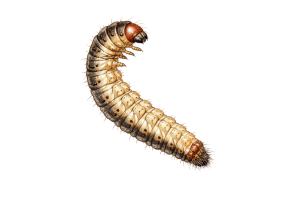
  3. Larvae: The larvae are small, elongated, and covered in dense, hair-like bristles. They are usually brown or tan and are responsible for most of the damage to fabrics and natural fibres.
  4. Antennae and Legs: Adults have short antennae and legs tucked close to their bodies, while larvae move slowly and tend to curl up when disturbed.
  5. Habitat: Indoors, carpet beetles are often found around baseboards, under carpets, in closets, or inside stored fabrics and upholstered furniture. Outdoors, they can be found in gardens and near flowers where they feed on pollen.
  6. Behaviour: Adult carpet beetles are attracted to light and may be found near windows, while larvae prefer dark, undisturbed areas. You may also spot shed larval skins or fine powder-like droppings near infested materials.

By watching for these traits and clues, you can accurately identify carpet beetles early and take action before they cause significant damage to household items.

Recognizing the signs of a carpet beetle infestation early can help prevent serious damage to your belongings. Here are the most common indicators that you may have carpet beetles in your home:

  1. Damaged Fabrics: One of the first signs is small, irregular holes in carpets, clothing, upholstery, or stored fabrics. Natural fibres such as wool, silk, and fur are especially vulnerable.
  2. Shed Skins: As larvae grow, they shed their outer skins several times. You may find these dry, brown, shell-like casings in areas where they feed or hide.
  3. Larvae Sightings: Carpet beetle larvae are small, fuzzy, and brownish with tiny bristles. They’re often found crawling along baseboards, under furniture, or inside closets.
  4. Adult Beetles: Adult beetles are attracted to light and may be spotted near windows, door frames, or light fixtures. Seeing even a few adults indoors often means larvae are hiding nearby.
  5. Droppings: You may notice fine, sand-like droppings near damaged materials or in dark corners. These are another clear sign of larval activity.
  6. Hidden Infestations: Carpet beetles like to hide in quiet, undisturbed areas such as air vents, attics, storage boxes, or under rugs.

If you see any of these signs, it’s best to take action quickly. Vacuum thoroughly, inspect fabrics and stored goods, and consider contacting a pest control professional to prevent the infestation from spreading further.

To prevent carpet beetle infestations and protect your home, it’s important to take proactive steps that address both prevention and ongoing maintenance. Here are the most effective ways to keep carpet beetles away:

  1. Regular Cleaning: Vacuum carpets, rugs, furniture, and baseboards frequently to remove larvae, eggs, and debris. Pay special attention to corners, under furniture, and inside closets.
  2. Store Fabrics Properly: Keep off-season clothing, linens, and blankets in sealed containers or garment bags. Use airtight bins for items made of wool, fur, or silk.
  3. Inspect and Clean Secondhand Items: Before bringing in used furniture, rugs, or clothing, carefully inspect them for signs of larvae or damage. Clean or dry-clean items before use.
  4. Reduce Indoor Attractants: Remove accumulations of lint, pet hair, and crumbs—these provide food sources for carpet beetle larvae.
  5. Seal Entry Points: Check for gaps around windows, doors, vents, and utility openings. Use caulking or weather stripping to prevent beetles from entering.
  6. Control Outdoor Sources: Keep outdoor lighting to a minimum, as adult beetles are drawn to light. Remove bird or insect nests near your home, which can be breeding sites.
  7. Professional Pest Control: For recurring infestations or large-scale damage, consult a pest control professional for targeted treatment and long-term prevention strategies.

By maintaining a clean, sealed, and clutter-free environment, you can significantly reduce the risk of carpet beetles and protect your home’s fabrics and furnishings year-round.

BIRCH FUMIGATORS

est. 1900

Don't Let Bugs Get the Best of You

BIRCH FUMIGATORS

est. 1900

Don't Let Bugs Get the Best of You