Serving Edmonton for over 120 years

What do skunks eat?

What do skunks eat?

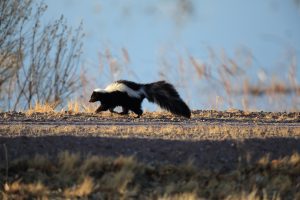
Skunks have a diverse diet, primarily omnivorous. They feed on a variety of foods depending on availability. In the wild, skunks eat insects and grubs, which constitute a significant part of their diet. They are particularly fond of bees, beetles, larvae, and other small invertebrates. Skunks also consume small mammals, birds, eggs, and amphibians. In terms of plant material, they eat fruits, nuts, and berries. In urban areas, skunks often scavenge human refuse, feeding on garbage and compost. Pet food left outside can also attract skunks. Their adaptable diet helps them thrive in various environments, from rural to urban settings.

What do skunks eat?

Skunks

Quickly relocate skunks with safe and humane skunk control!

Professional Pest Control Services

Don't let bugs take over - call Birch Fumigators today! Get a Free Estimate (Within the Edmonton Area). Go with the best pest control company Edmonton.

Professional Pest Control Services

Don't let bugs take over - call Birch Fumigators today! Get a Free Estimate (Within the Edmonton Area). Go with the best pest control company Edmonton.

Related FAQs

The most humane animal trap is a live trap, designed to capture animals without causing harm, injury, or unnecessary stress. These traps are typically cage-like structures with a trigger mechanism that closes the door once the animal is inside. The size of the trap should be appropriate for the target species to ensure the animal can move comfortably once inside. Humane traps are effective for various animals, including skunks, squirrels, raccoons, and other small mammals. The key to their humaneness is regular monitoring; the trapped animal should be checked on frequently and released promptly in a safe location. Proper use of humane traps includes careful handling during both the trapping and release process to minimize stress on the animal. For individuals who prefer not to handle the process themselves, Birch Fumigators offers humane wildlife trapping services, ensuring that animals are captured and relocated safely and ethically, with adherence to all local regulations.

Encouraging a skunk to leave your property humanely involves making the area less appealing without causing harm to the animal. Begin by removing any food sources, such as pet food, birdseed, or garbage, that might attract the skunk. Skunks are nocturnal and prefer dark, quiet places to live, so adding motion-activated lights or noise-making devices can disrupt their sense of safety and encourage them to move on. If a skunk has taken up residence under a deck or shed, try placing a light or a radio near its den to make the environment less comfortable. Additionally, you can use a gentle spray of water or a non-toxic repellent to encourage the skunk to leave. It’s important to be patient and give the skunk time to relocate on its own, especially if it’s a mother with young. For a more effective solution, Birch Fumigators offers professional services to safely and humanely remove skunks from your property.

A trapped skunk can survive for several days without food or water, but it is critical to release or relocate it as soon as possible to minimize stress and ensure its well-being. Humane trapping practices emphasize the importance of checking traps frequently, ideally every few hours, to prevent prolonged confinement, which can lead to dehydration, starvation, or extreme stress.

Before trapping a skunk, it’s important to have a plan for its safe and legal relocation. This includes identifying a suitable release site and understanding local wildlife regulations. During the release, approach calmly and handle the trap carefully to avoid startling the skunk, as this could trigger a defensive spray. If you’re not comfortable managing wildlife trapping and release on your own, Birch Fumigators provides humane and professional skunk trapping services to ensure the animal is handled ethically and released promptly.

When trapping skunks, using the right tools and bait is essential to ensure a humane and successful capture. A live trap, which is a cage with a door that closes when triggered, is the most effective tool for skunk trapping. The trap should be large enough for the skunk to enter easily but small enough to contain it securely. Baiting the trap with foods that skunks find irresistible is key to luring them in. Good bait options include fish, canned pet food, peanut butter, or chicken. It’s important to place the bait at the back of the trap so the skunk fully enters before triggering the mechanism. Position the trap in areas where skunks are known to frequent, such as near den entrances or along fence lines. Once the skunk is captured, handle the trap carefully to avoid startling the animal, which could lead to it spraying. For safe and effective skunk trapping, Birch Fumigators provides professional services to ensure the job is done humanely and efficiently.

Getting rid of skunks humanely involves using methods that safely encourage the animal to leave without causing it harm. Start by removing food sources such as pet food, garbage, and fallen fruit that may attract skunks to your property. Skunks often seek shelter under decks, porches, or sheds, so sealing off these areas with fencing or barriers can prevent them from settling in. Motion-activated lights or sprinklers can also deter skunks by making the environment less welcoming. If a skunk has already taken up residence, use a live trap to capture it safely, then relocate it according to local wildlife regulations. It’s crucial to handle the process with care, as skunks can spray when threatened. Once the skunk is removed, thoroughly clean the area to remove any scent markings that might attract other skunks. For a professional and humane approach to skunk removal, Birch Fumigators offers expert services to ensure the process is handled effectively and compassionately.

Preventing skunks from digging can be challenging, but specific strategies can be effective. One method is to use physical barriers like fencing. Skunks are not great climbers, so a sturdy fence buried a few inches into the ground can be effective. Reducing food sources that attract skunks can also discourage digging. This includes securing garbage cans, removing pet food from outdoor areas, and controlling insect populations in the yard. Using deterrents such as motion-activated lights or sprinklers can also be helpful, as skunks are nocturnal and typically shy away from bright lights and sudden movements.

BIRCH FUMIGATORS

est. 1900

Don't Let Bugs Get the Best of You

BIRCH FUMIGATORS

est. 1900

Don't Let Bugs Get the Best of You